
Close
Back


From now on you can download videos from our website
If you would also like to subscribe to the newsletter and receive our latest updates, click on the button below.
Enter the email address you registered with and we will send you a code to reset your password.
The password must be at least 12 characters long, no spaces, include upper/lowercase letters, numbers and symbols.
Click the button to return to the page you were on and log in with your new password.
23 April 2010
1 MIN READ
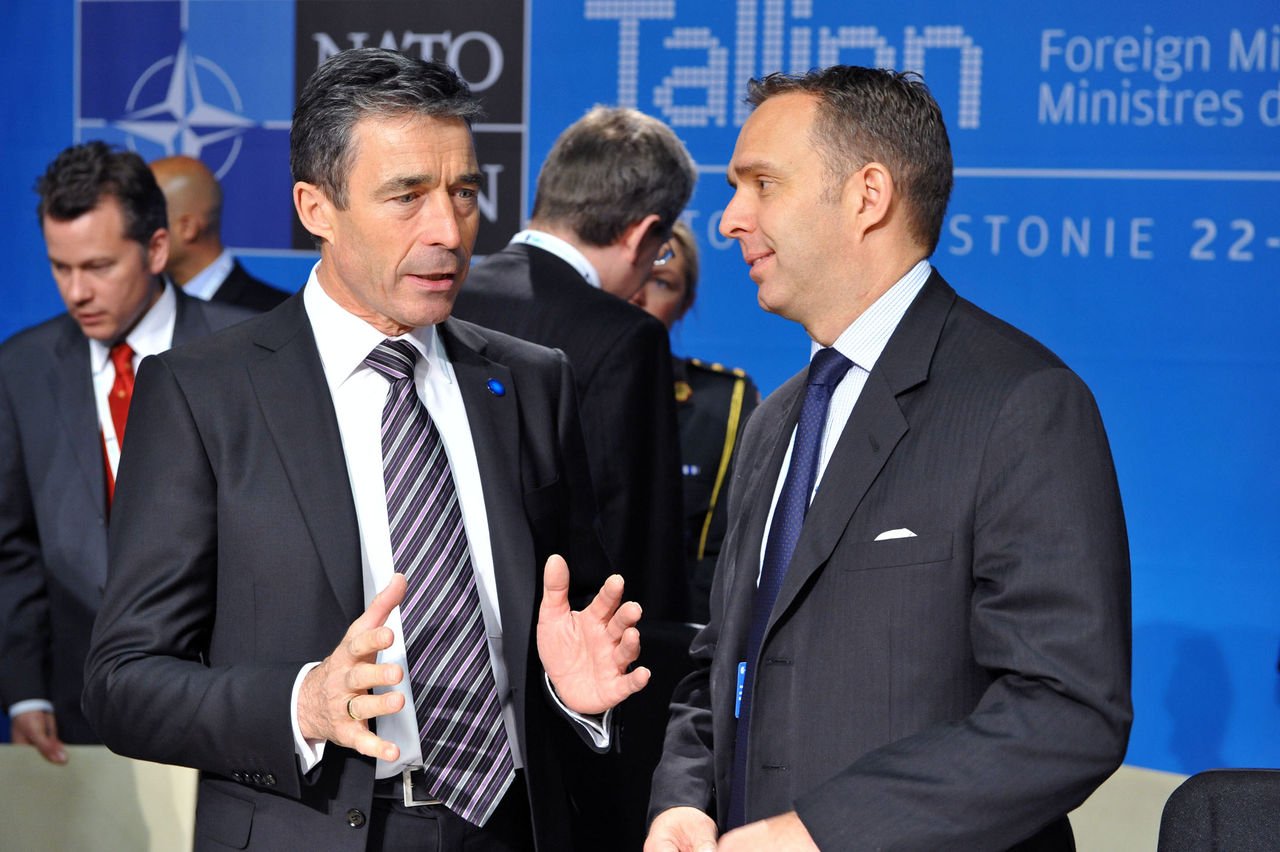
On 23 April, NATO and ISAF Foreign Ministers agreed on a common approach to help the Afghan government increasingly take more responsibility for its own affairs, starting in 2010. The transition process will enable the Afghan Government to progressively exercise its sovereignty, with the continuing support of NATO-ISAF. This process will not be driven by the calendar, but when the conditions allow. It must be sustainable and irreversible.
The criteria for deciding on transition will be assessed across all three pillars of the Afghan National Development Strategy; security, governance and development. Ministers stressed the continuing long-term commitment of NATO to Afghanistan.
“We also need to be clear about what transition means and doesn’t mean, ” said NATO Secretary General Anders Fogh Rasmussen. “Transition means that Afghan authorities take the lead, and we move into a supportive role. But it doesn’t mean a rush for the exit.”
This decision follows extensive discussions with the Afghan authorities. Now, NATO and ISAF officials will work closely with their Afghan and international counterparts in Kabul to develop the concept for endorsement by the Afghan Government and the international community at the conference in Kabul this summer. The aim is to launch the process in time for the NATO summit in Lisbon in November.
The meeting was also attended by the Afghan Foreign Minister, Zalmay Rasoul, NATO's Senior Civilian Representative in Afghanistan, Mark Sedwill, the Special Representative of the UN Secretary General, Staffan de Mistura, a representative of the European Union, the Chairman of the NATO Military Committee, Admiral Giampaolo Di Paola and NATO Supreme Allied Commander, Admiral James Stavridis. ISAF Commander General Stanley McChrystal attended the meeting through a video teleconference link.