Close
Back


From now on you can download videos from our website
If you would also like to subscribe to the newsletter and receive our latest updates, click on the button below.
Enter the email address you registered with and we will send you a code to reset your password.
The password must be at least 12 characters long, no spaces, include upper/lowercase letters, numbers and symbols.
Click the button to return to the page you were on and log in with your new password.
12 February 2026
2 MIN READ
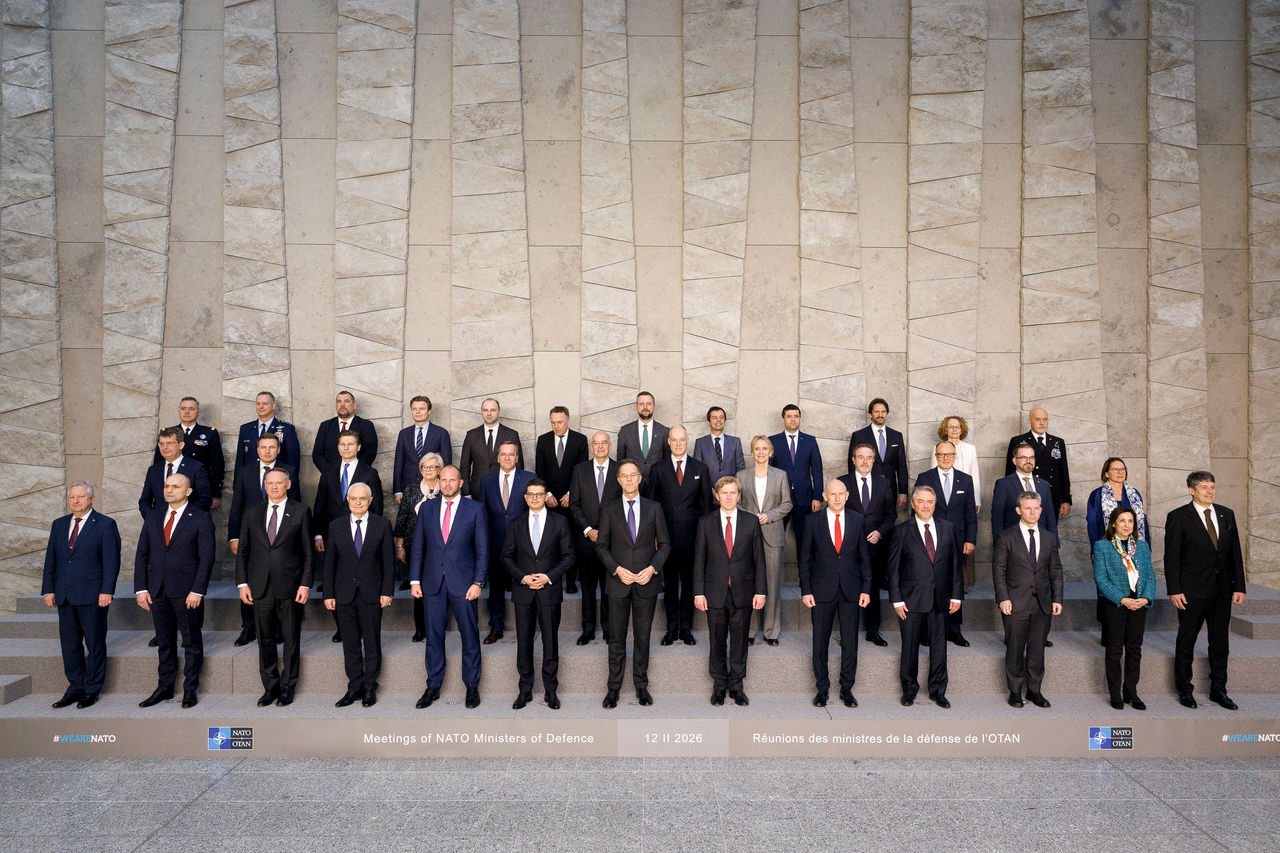
On Thursday 12 February, following a meeting of NATO Defence Ministers, Secretary General Mark Rutte praised Allied nations for progress made toward investing 5% of GDP in defence. He welcomed the growing determination with which Allies are taking increased ownership of their collective security.
“The [5%] commitment was made in June” he began “and the evidence of progress in delivering on that commitment is visible. But today we also saw evidence of something else. A real shift in mindset. A unity of vision. A much stronger European defence within NATO. Everyone around the table engaged – with a sense of urgency and ownership – in how we are working together, as Allies, to deliver effective deterrence and defence.”
Mr Rutte noted the progress Allies are making to increase investment - some well ahead of schedule.
Making clear that defence production and innovation must also rise, the Secretary General urged Allies to harness new technologies and develop their own industries and production lines on both sides of the Atlantic. He highlighted the value of multinational cooperation in pooling resources and expertise, noting new agreements signed by groups of Allies in the margins of the ministerial meeting.
Mr Rutte commended Ukraine’s resilience and its innovation on the battlefield, which are informing NATO’s own development, particularly in the context of drone technology. At the meeting of the NATO-Ukraine Council, Ukraine’s Defence Minister updated on the situation on the battlefield and highlighted Ukraine’s urgent needs, including air defence. The Secretary General made clear that NATO support, including through the Prioritised Ukraine Requirements List (PURL), would not waver.
Following the NATO Meeting of Defence Ministers, a meeting of the Ukraine Defence Contact Group (UDCG) was held at NATO headquarters. The group, chaired by German Defence Minister Boris Pistorius and UK Defence Secretary John Healey brought together 50 countries to discuss Ukraine’s military needs in detail and coordinate further security assistance to Ukraine.