
Close
Back


From now on you can download videos from our website
If you would also like to subscribe to the newsletter and receive our latest updates, click on the button below.
Enter the email address you registered with and we will send you a code to reset your password.
The password must be at least 12 characters long, no spaces, include upper/lowercase letters, numbers and symbols.
Click the button to return to the page you were on and log in with your new password.
05 February 2026
4 MIN READ
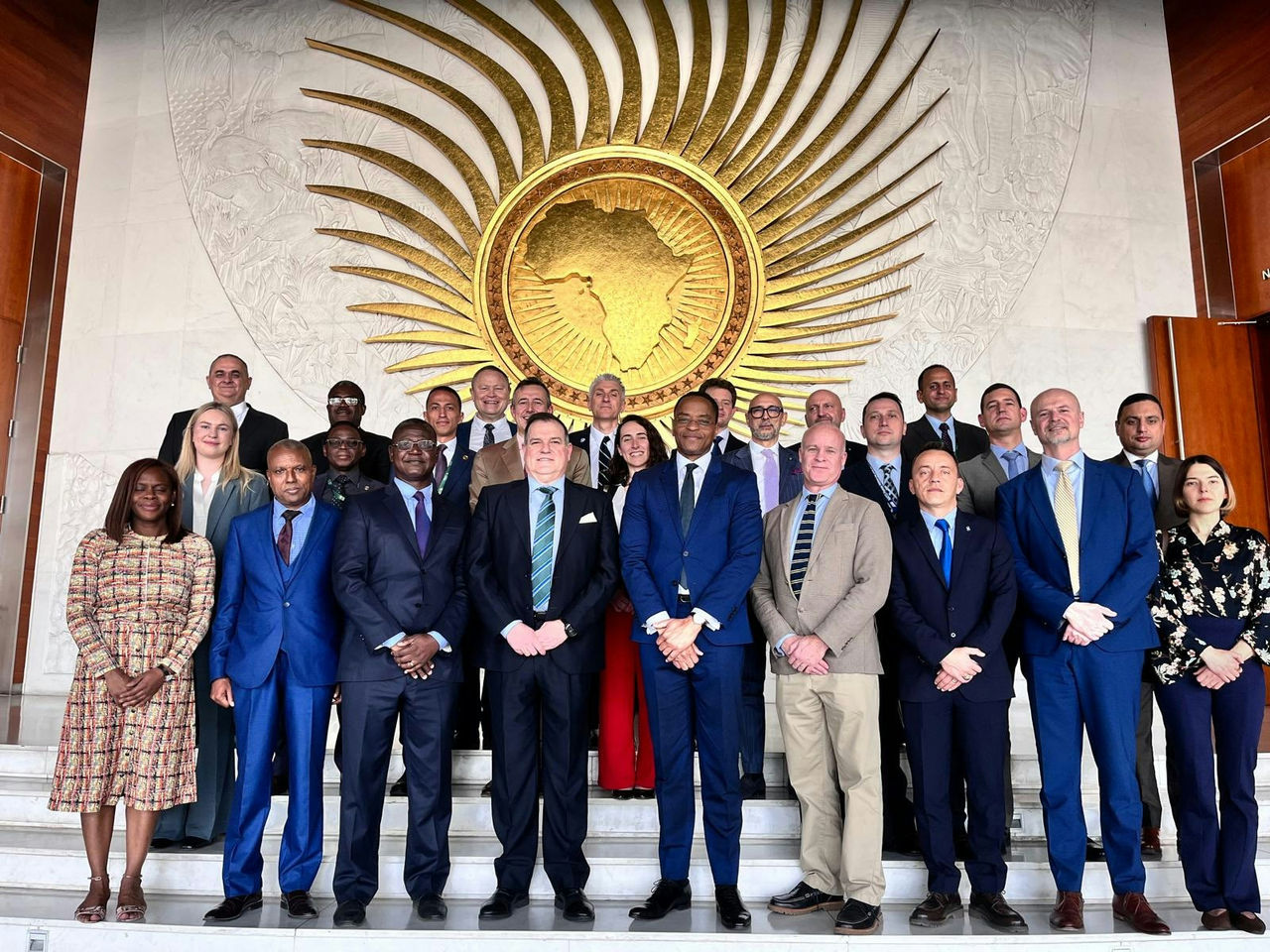
ADDIS ABABA, Ethiopia – Senior military representatives from NATO and the African Union gathered at the AU Commission Headquarters on 28 January 2026 for the 10th Military-to-Military Staff Talks. This landmark session underscored a relationship built on parity, mutual respect, and reciprocity—a partnership that has evolved significantly since NATO first provided support to the AU in 2005.
Two decades of cooperation
NATO’s relationship with the African Union dates back to 2005, following a request for assistance with the African Union mission in Sudan. Since then, the partnership has grown into a robust framework for political dialogue and military cooperation. The 10th edition of these staff talks served as a vital platform for reviewing this long-standing journey and exchanging views on priority peace and security issues. General Cheick Fanta Mady Dembelé, Head of the AU delegation, formally opened the session by highlighting the significance of the 20-year bond. “It is essential to consolidate the gains from our previous engagements,” General Dembelé stated. “Regular staff-level consultations serve as a practical mechanism for advancing our mutual understanding and addressing the complex security landscape we face today.”
Translating dialogue into action
The talks focused on turning shared strategic objectives into tangible outcomes. NATO’s delegation, led by Colonel Carlos Latorre Darde, reaffirmed the Alliance’s dedication to the African Union partnership, grounded in mutual respect and frank dialogue.
Addressing the assembly, Colonel Latorre Darde emphasized the necessity of moving beyond theoretical discussions: “Our partnership is built on more than just shared interests; it is built on action. Continued engagement at the staff level remains essential to translating our shared objectives into practical cooperation and tangible outcomes that enhance security for both our regions.”
A Whole-of-Alliance Approach
The 10th MIL2MIL talks were characterized by comprehensive representation from across the NATO enterprise. Led by the International Military Staff Cooperative Security Division, the delegation included subject-matter experts from the International Staff, specifically Political Affairs and Security Policy, Operations, and the Defence and Security Cooperation Directorate.From the military command structure, experts from Allied Command Operations J3, the Partnership Directorate, and Allied Command Transformation provided strategic and transformational insights. Specialized operational perspectives were contributed by Special Operations Forces Command and Joint Force Command Naples, emphasizing NATO’s coordinated effort to support African Union peace and security initiatives.
Integrated support and liaison
A key component of NATO’s support to the African Union is its permanent presence in Addis Ababa, which ensures continuous coordination. The NATO Senior Military Liaison Officer and their team provide essential structural assistance and subject-matter expertise directly to the African Union Peace Support Operations Division. This effort is further bolstered by the Embassy of Canada, which currently serves as the NATO Contact Point Embassy, facilitating diplomatic liaison and raising awareness of NATO activities among international partners in the region.
Pillars of practical cooperation
Both delegations agreed to focus on the following pillars of Practical Cooperation:
Looking ahead: From Addis to Brussels
The meeting concluded with an ambitious roadmap for the remainder of the year, focused on strengthening practical military cooperation and pursuing further high-level political interactions. These efforts aim to ensure that the NATO-AU partnership remains agile and responsive to the needs of both organisations.


