
Close
Back


From now on you can download videos from our website
If you would also like to subscribe to the newsletter and receive our latest updates, click on the button below.
Enter the email address you registered with and we will send you a code to reset your password.
The password must be at least 12 characters long, no spaces, include upper/lowercase letters, numbers and symbols.
Click the button to return to the page you were on and log in with your new password.
13 November 2025
2 MIN READ
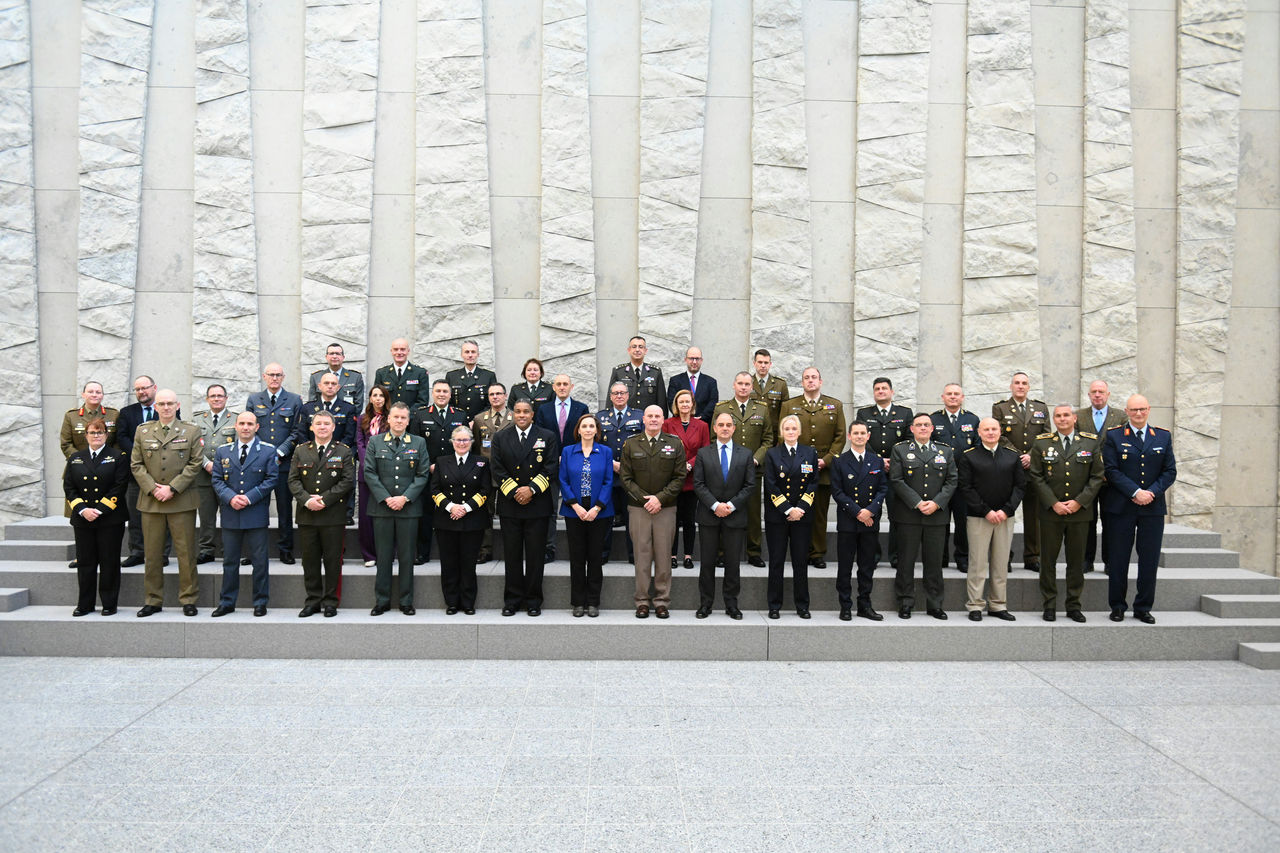
On 12-13 November 2025, the NATO Logistics Committee met at NATO Headquarters in Brussels. Discussions focused on strengthening the Alliance’s ability and capacity to support and sustain military activities logistically, as part of NATO’s defence and deterrence posture. The meeting was co-chaired by the Deputy Chair of the NATO Military Committee, Lieutenant General Phil Brooks, and Assistant Secretary General for Defence Policy and Planning, Zamir Nicholas Catsaras, and attended by key NATO logistics partners.
Logistics underpins NATO’s deterrence and defence by ensuring that the Alliance’s operations, activities, and missions are provided with the necessary supplies, services, maintenance and movement. During the meeting, Allied National Logistics Directors discussed improvements to the Alliance’s readiness in logistical support for collective defence operations, including actions undertaken to facilitate the movement of forces throughout SACEUR’s Area of Responsibility. The Committee also discussed the NATO Defence Investment Plan, and opportunities for investments in logistics infrastructure, capabilities, and stockpiles, as well as how data can function as a strategic enabler in logistics planning.
NATO Deputy Secretary General Radmila Shekerinska addressed the Committee, emphasising the key role of reinforcement and sustainment in NATO’s deterrence and defence. Underlining the importance of a whole-of-government approach, she called on the National Logistics Directors to ensure their needs were clearly communicated and to continue to lead the change in this area.
The Logistics Committee is NATO’s senior advisory body on logistics. The Committee reports jointly to both the North Atlantic Council and the Military Committee, reflecting the dependence of logistics on both civil and military factors.