Close
Back


From now on you can download videos from our website
If you would also like to subscribe to the newsletter and receive our latest updates, click on the button below.
Enter the email address you registered with and we will send you a code to reset your password.
The password must be at least 12 characters long, no spaces, include upper/lowercase letters, numbers and symbols.
Click the button to return to the page you were on and log in with your new password.
28 April 2023
1 MIN READ
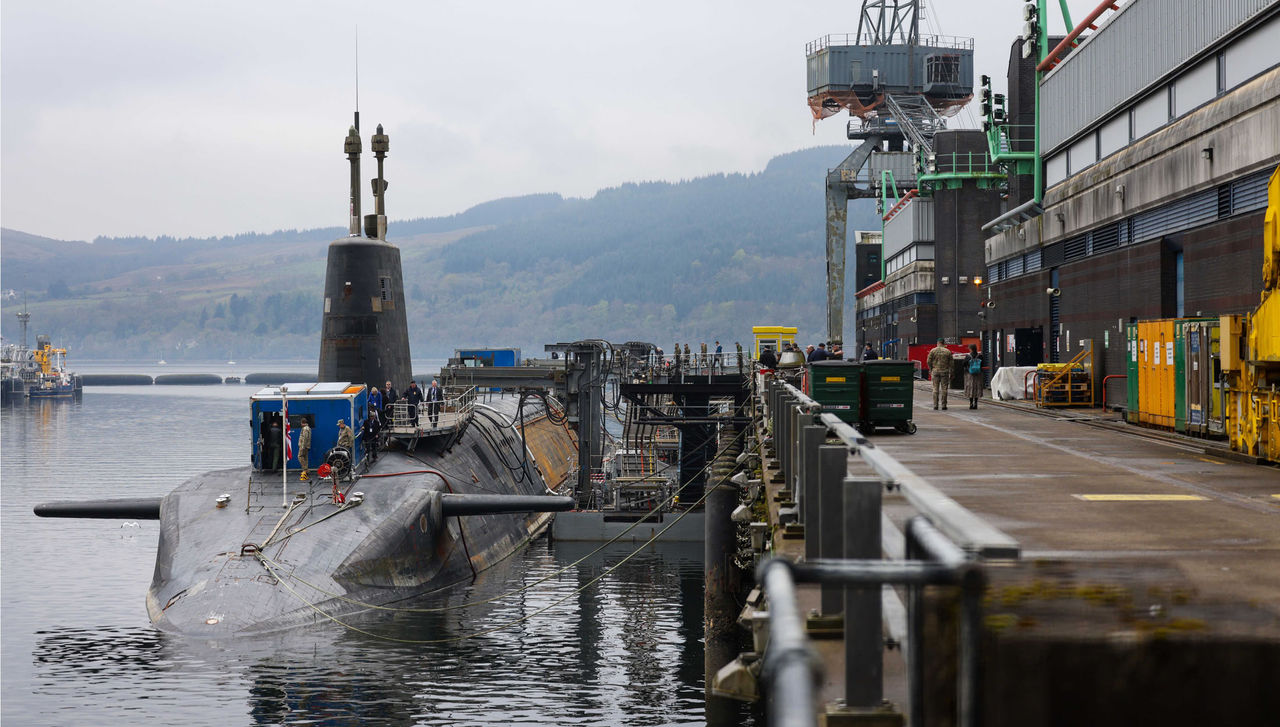
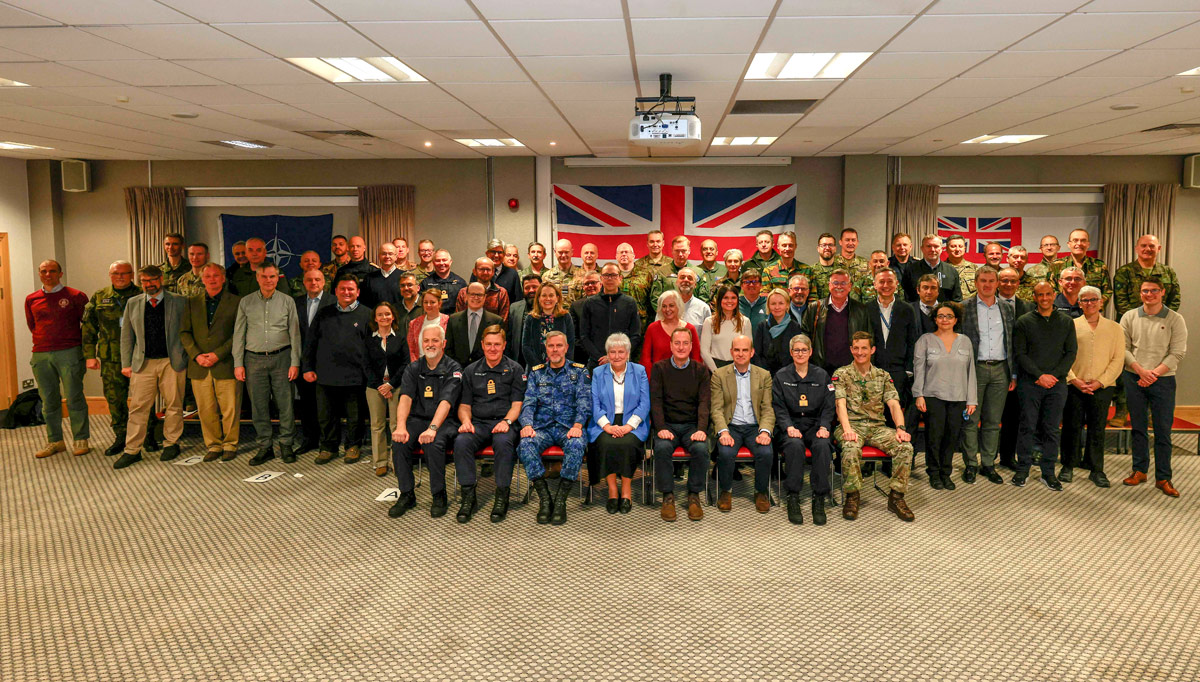
Ambassadors of NATO’s North Atlantic Council, military representatives from the NATO Military Committee and other senior military officials on Friday (28 April 2023), visited His Majesty’s Naval Base Clyde in Scotland, home to the United Kingdom’s independent nuclear deterrent. This was the second visit by the North Atlantic Council to an allied nuclear submarine base this month, following a visit to the French nuclear base of Ile Longue.
“The UK is a strong Ally. We are grateful to the United Kingdom for inviting us to tour the facilities at His Majesty’s Naval Base Clyde.” said Admiral Bauer, Chair of the NATO Military Committee. “At a time of major security challenges, it is important that the Alliance is protected by the full spectrum of capabilities. The UK’s nuclear deterrent is a central pillar of NATO’s deterrence and defence posture and helps guarantee our security”.
At the invitation of UK Defence Secretary Ben Wallace, the ambassadors and senior military officials visited a Vanguard-class strategic nuclear submarine, toured a training facility and were briefed by 43 Commando Fleet Protection Group Royal Marines, an elite force tasked to guard nuclear weapons. They were also briefed by submarine commanders and crews on nuclear deterrence patrols. The Royal Navy has four nuclear deterrent submarines; one is always at sea, working every hour of every day to guarantee UK and Alliance security.
NATO’s Strategic Concept states that the fundamental purpose of NATO’s nuclear capability is to preserve peace, prevent coercion and deter aggression. Allies agree that as long as nuclear weapons exist, NATO will remain a nuclear alliance. Three NATO Allies - France, the UK and US - have a nuclear deterrent and the strategic nuclear forces of the United Kingdom contribute significantly to the security of the Alliance. The UK’s nuclear deterrent has been assigned to the defence of NATO since 1962.