
Close
Back


From now on you can download videos from our website
If you would also like to subscribe to the newsletter and receive our latest updates, click on the button below.
Enter the email address you registered with and we will send you a code to reset your password.
The password must be at least 12 characters long, no spaces, include upper/lowercase letters, numbers and symbols.
Click the button to return to the page you were on and log in with your new password.
18 February 2023
1 MIN READ
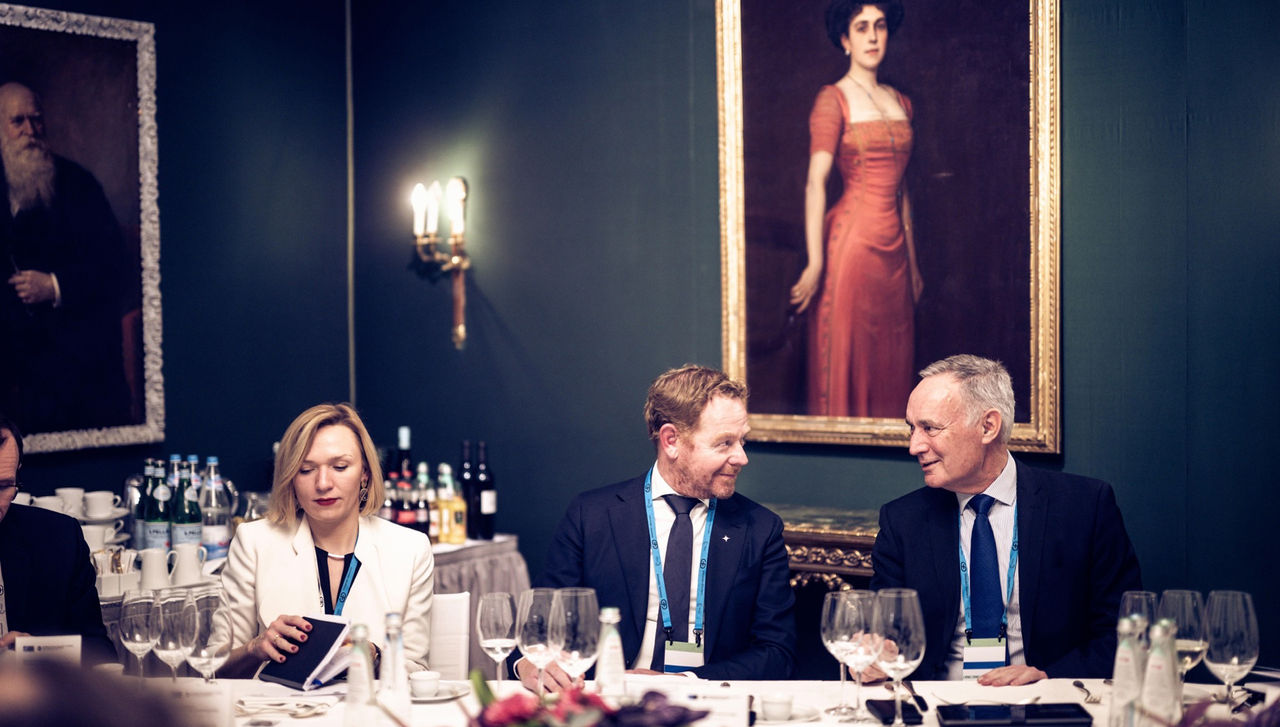
NATO co-hosted a roundtable discussion on Friday (17 February 2023) at the Munich Security Conference focused on opportunities to support NATO militaries’ transition to clean energy, including through technological innovation, while ensuring military effectiveness in a deteriorated security environment. The side event “Cleaner and Meaner: The Military Energy Transition by Design” was hosted by the NATO Emerging Security Challenges Division in partnership with the International Military Council on Climate and Security (IMCCS).
In NATO’s new Strategic Concept, Allies confirmed their ambition for NATO to become the leading international organisation when it comes to understanding and adapting to the impact of climate change on security. Russia’s invasion of Ukraine and the subsequent global energy crisis, together with the consequences of accelerating climate change, have created a new and more complex security environment. NATO’s armed forces must adapt to a climate changed future operating environment, increase their energy efficiency and introduce cleaner technologies. All this will help to preserve collective defence, operational effectiveness and a credible deterrence posture.
During the event, the NATO Assistant Secretary General for Emerging Security Challenges David van Weel, said that NATO needs “to mainstream climate change and energy transition considerations into the entire NATO enterprise, including training, exercising, force planning, and the development and procurement of military capabilities”.