
Close
Back


From now on you can download videos from our website
If you would also like to subscribe to the newsletter and receive our latest updates, click on the button below.
Enter the email address you registered with and we will send you a code to reset your password.
The password must be at least 12 characters long, no spaces, include upper/lowercase letters, numbers and symbols.
Click the button to return to the page you were on and log in with your new password.
20 January 2023
1 MIN READ
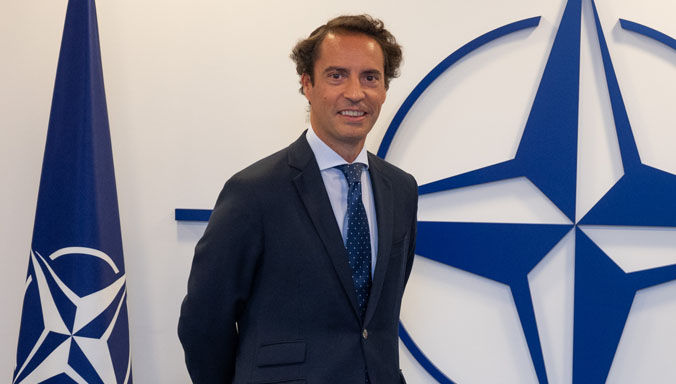
The NATO Secretary General’s Special Representative for the Caucasus and Central Asia, Javier Colomina, travelled to the South Caucasus this week, visiting Armenia and Azerbaijan. The visit was part of Mr Colomina’s regular political consultations in these two important NATO partner countries.
In Armenia he met with Prime Minister Nikol Pashinyan, Foreign Minister Ararat Mirzoyan, Defence Minister Suren Papikyan and other officials. In Azerbaijan he met with Foreign Minister Jeyhun Bayramov and other officials. Mr Colomina discussed NATO’s cooperation with Armenia and with Azerbaijan, and the contributions of both partners to Euro-Atlantic security.
Mr Colomina also exchanged views on regional security issues, including the situation in the Lachin corridor. He stressed the importance of free movement and the need to address humanitarian issues, as well as the importance of resuming talks and working towards normalisation. Mr Colomina also welcomed the role of the European Union in support of regional stability.