
Close
Back


From now on you can download videos from our website
If you would also like to subscribe to the newsletter and receive our latest updates, click on the button below.
Enter the email address you registered with and we will send you a code to reset your password.
The password must be at least 12 characters long, no spaces, include upper/lowercase letters, numbers and symbols.
Click the button to return to the page you were on and log in with your new password.
17 November 2021
1 MIN READ
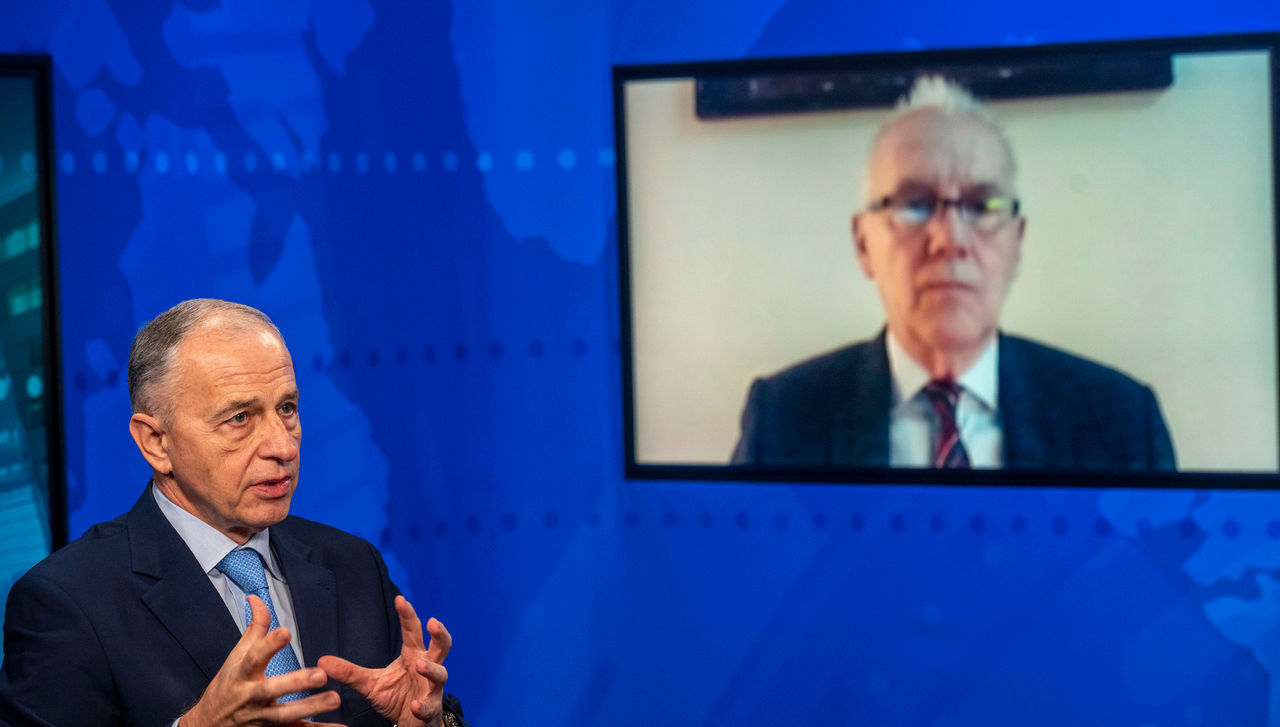
Speaking at a virtual Digitalization of Defence and Security Conference on Wednesday (17 November 2021), NATO’s Deputy Secretary General Mircea Geoană stressed that the use of new technologies, including cyber, must comply with international law, the rules-based order and our shared values.
“Universal legislation around new technologies and international norms could and should be developed having at their heart the commercial interests of the private sector, but also the values and the ethical thrust that we have to embed in everything we do”, he said.
Since the adoption of the Cyber Defence Pledge at NATO’s Warsaw Summit in 2016, Allies have reinforced their cyber capabilities and improved their legal and institutional frameworks against cyber threats. At NATO’s Brussels Summit in June 2021, Allies endorsed a new cyber defence policy that will help further enhance their ability to detect, prevent and respond to cyber threats by leveraging new technologies and investing in new capabilities and skilled staff. The Deputy Secretary General underlined the importance of global cooperation among NATO Allies and partner countries, other international organisations, the industry and academia to ensure continued interoperability of their capabilities, promote a responsible use of new technologies and enhance both national and collective resilience to malicious cyber activities.
The Digitalization of Defence and Security Conference was organised by Samuel Associates, a business consultancy, with the aim to bring together political, military, and industry leaders to discuss the convergence of digital and cyber technologies and their effect on defence and security.