
Close
Back


From now on you can download videos from our website
If you would also like to subscribe to the newsletter and receive our latest updates, click on the button below.
Enter the email address you registered with and we will send you a code to reset your password.
The password must be at least 12 characters long, no spaces, include upper/lowercase letters, numbers and symbols.
Click the button to return to the page you were on and log in with your new password.
01 June 2021
1 MIN READ
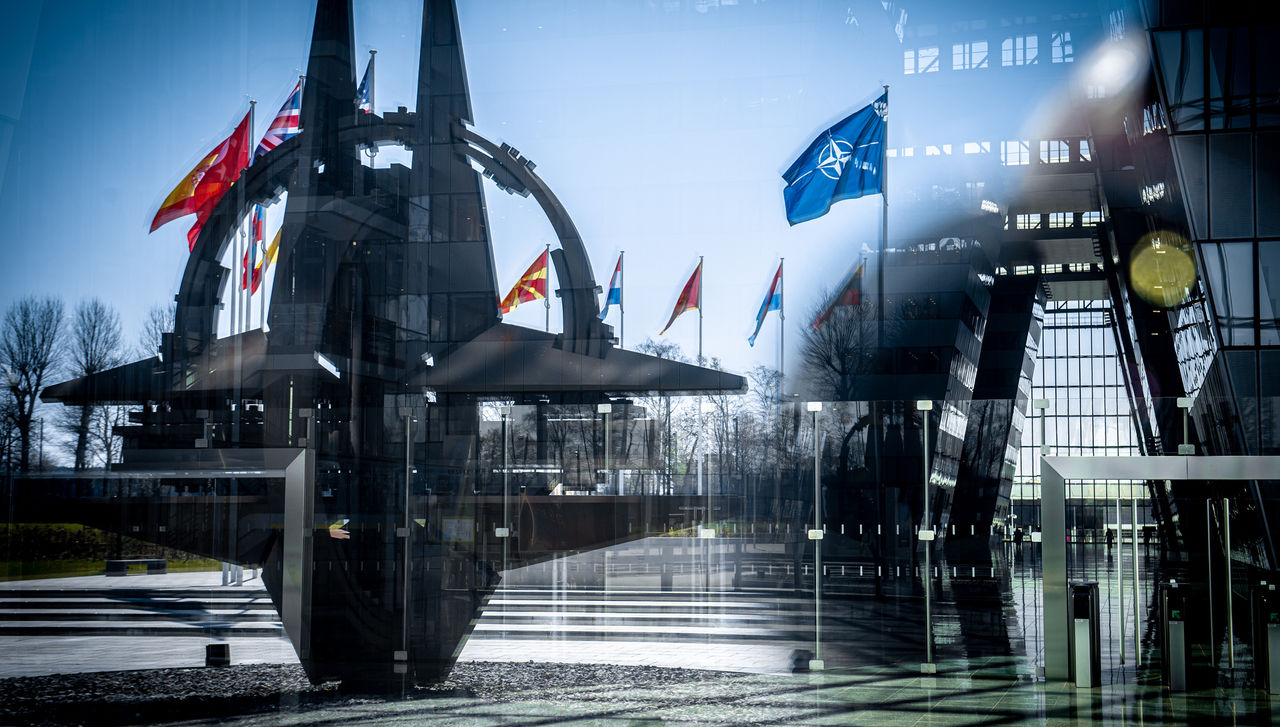
NATO defence ministers met virtually on Tuesday (1 June 2021) to discuss preparations for the upcoming NATO Summit and the way forward in Afghanistan. To prepare for the Summit, defence ministers addressed the NATO 2030 agenda to strengthen the Alliance. They focused on plans to reinforce Allied unity, including with a strengthened commitment to collective defence. “This means rapid and full implementation of our military adaptation and continued improvements to our readiness, our capabilities and our defence investments,” said NATO Secretary General Jens Stoltenberg.
On Afghanistan, defence ministers agreed that continued support for the Afghan forces, government and people is the best way that NATO can contribute to the peace efforts. The Secretary General stressed that NATO will continue to provide advice and capacity-building support to the Afghan security institutions and funding for the Afghan security forces. “We are also looking at how we can provide military education and training outside Afghanistan, focused on Special Operations Forces, and we are looking at how to fund the provision of services enabling Allies and the international community to stay in Kabul, including support for the airport,” he noted.