
Close
Back


From now on you can download videos from our website
If you would also like to subscribe to the newsletter and receive our latest updates, click on the button below.
Enter the email address you registered with and we will send you a code to reset your password.
The password must be at least 12 characters long, no spaces, include upper/lowercase letters, numbers and symbols.
Click the button to return to the page you were on and log in with your new password.
15 April 2021
1 MIN READ
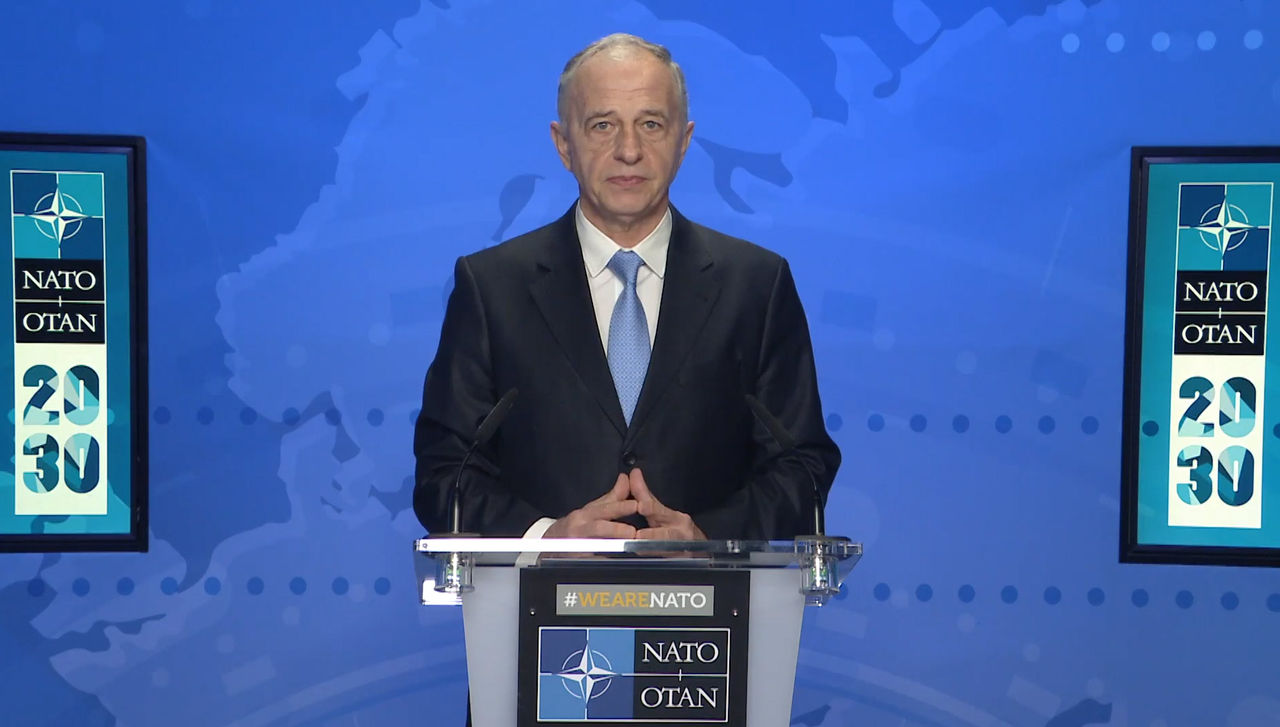
NATO Deputy Secretary General Mircea Geoană outlined NATO’s adaptation to cyber threats in a keynote speech at the NATO Cyber Defence Pledge Conference 2021 on Thursday (15 April 2021). Noting that cyber threats are increasing and targeting democratic processes and institutions, the Deputy Secretary General stressed that NATO and Allies continue to adapt. “Since we adopted the Cyber Defence Pledge in 2016, we have come a long way,” he said, while highlighting that there remains more to be done.
Mr. Geoană noted that Allies have agreed that a cyber-attack can trigger NATO's collective defence clause, Article Five, and that cyberspace is designated as a military domain, alongside land, sea, air and now, space. "Individual Allies are also further boosting their national cyber defences in line with the commitment they made in the Cyber Defence Pledge," he added.
The Deputy Secretary General also thanked Estonia for hosting this year's conference, which is taking place virtually. The conference allows experts from across the Alliance and the private sector to address the most pressing issues in cyber defence and exchange best practices. In his remarks at the conference, the Assistant Secretary General for Emerging Security Challenges David van Weel further highlighted the role that NATO plays in supporting Allies in bolstering their cyber resilience, reflecting that "as cyberspace is always 'on', we need to remain vigilant and continuously improve our cyber defences."
Addressing conference participants, the Deputy Secretary General highlighted the importance of cooperating and engaging with like-minded partners, including the private sector and academia, to promote stability and reduce the risk of conflict in cyberspace. He also underlined that enhancing Allied resilience and leveraging technology are key elements of the NATO 2030 initiative to make the Alliance stronger.