
Close
Back


From now on you can download videos from our website
If you would also like to subscribe to the newsletter and receive our latest updates, click on the button below.
Enter the email address you registered with and we will send you a code to reset your password.
The password must be at least 12 characters long, no spaces, include upper/lowercase letters, numbers and symbols.
Click the button to return to the page you were on and log in with your new password.
16 March 2021
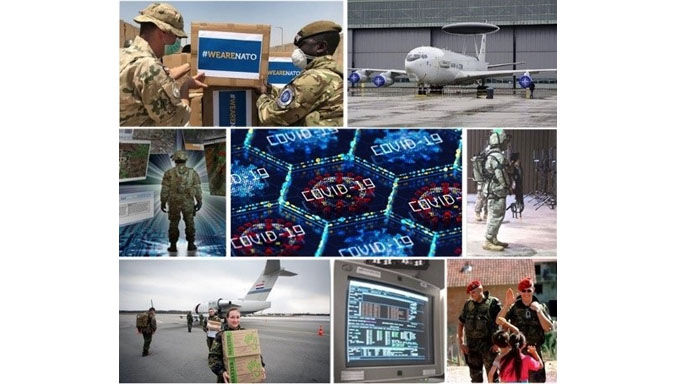
NATO’s network of over 6,000 scientists and engineers continue to support efforts to tackle the effects of COVID-19. The network recently completed a study analysing the military impact of the pandemic over the next six years. The study looks at the impact of COVID-19 on a range of military functional areas, such as personnel, intelligence, operations, logistics, planning, communications, training and civil affairs.
The study was conducted by a multinational specialist team led by the Norwegian Defence Research Establishment (FFI) and included experts from the following NATO bodies: Allied Command Transformation (ACT), Joint Analysis and Lessons Learned Centre (JALLC), and the NATO Communications and Information Agency (NCIA). The team was established in June 2020, and produced its final report in March 2021.
The study provides national planners and decision-makers with high-level recommendations to address the military impact of COVID-19. This includes the need for standardised continuity of operations rules for future pandemics, resilient supply and support chains, and infrastructure to institutionalise virtual and remote work.