
Close
Back


From now on you can download videos from our website
If you would also like to subscribe to the newsletter and receive our latest updates, click on the button below.
Enter the email address you registered with and we will send you a code to reset your password.
The password must be at least 12 characters long, no spaces, include upper/lowercase letters, numbers and symbols.
Click the button to return to the page you were on and log in with your new password.
15 February 2021
1 MIN READ
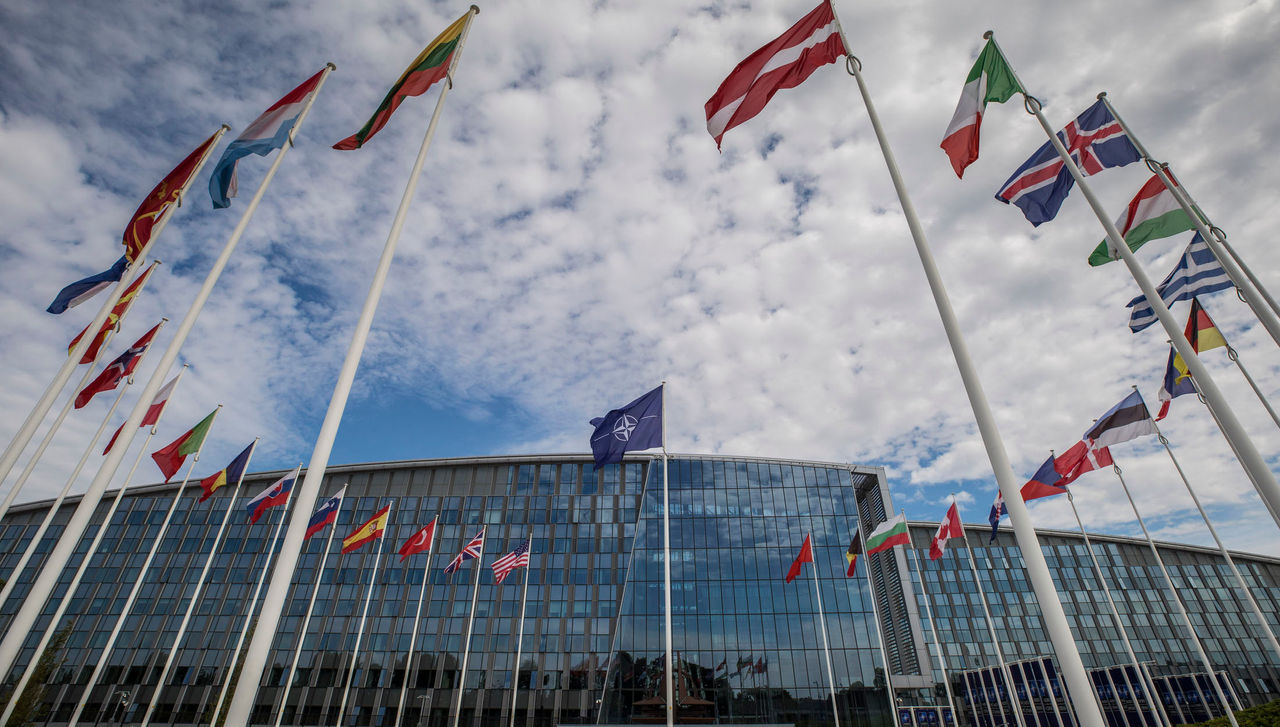
NATO defence ministers will meet via secure teleconference on Wednesday and Thursday (17-18 February 2021) to address NATO's missions in Afghanistan and Iraq, review progress toward fairer burden-sharing, and discuss the NATO 2030 initiative. Ministers will also meet with NATO partners Finland, Sweden, and the European Union to address shared security challenges.
“This is our first meeting with the new Biden administration and an opportunity to prepare the NATO summit in Brussels later this year,” said NATO Secretary General Jens Stoltenberg. The NATO 2030 initiative will be high on the agenda, and Mr. Stoltenberg will present a set of proposals to defence ministers to begin preparations for the summit. Ahead of the meeting, he outlined the key points of his proposals, which include: increasing NATO’s funding for deterrence and defence activities; enhancing Allied resilience; preserving NATO’s technological edge; increasing political coordination; cooperating with like-minded partners; strengthening training and capacity building for partners; and adapting to climate change. The Secretary General will also recommend to update NATO’s Strategic Concept.
On Thursday, ministers will discuss NATO’s missions in Afghanistan and Iraq, which are at an important juncture. The Secretary General stressed that NATO strongly supports the peace process in Afghanistan and has significantly adjusted its presence as part of the process. However, he noted that the peace talks remain fragile and the level of violence remains unacceptably high. “While no Ally wants to stay in Afghanistan longer than necessary, we will not leave before the time is right. So Ministers will continue to assess the situation on the ground and monitor developments very closely,” he said.
Ministers are expected to agree to launch an expanded mission in Iraq, with more Allied personnel training and advising in more security institutions across the country. This follows a request from the Iraqi government, and close coordination with the Global Coalition.
They will also review progress toward fairer burden-sharing. The Secretary General announced that 2021 will be the seventh consecutive year of increased defence spending. “Since 2014, European Allies and Canada have contributed a cumulative extra of 190 billion US dollars,” he said.