
Close
Back


From now on you can download videos from our website
If you would also like to subscribe to the newsletter and receive our latest updates, click on the button below.
Enter the email address you registered with and we will send you a code to reset your password.
The password must be at least 12 characters long, no spaces, include upper/lowercase letters, numbers and symbols.
Click the button to return to the page you were on and log in with your new password.
30 December 2020
1 MIN READ
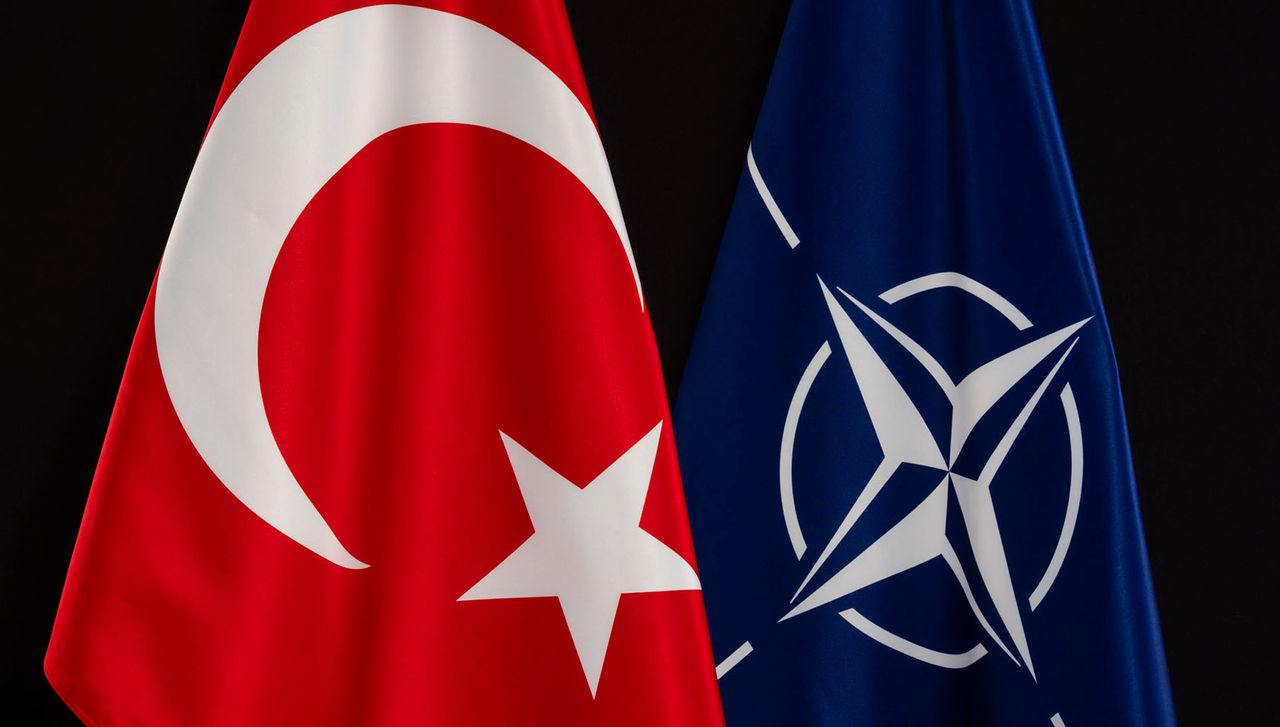
The Turkish army will take the lead of NATO’s Very High Readiness Joint Task Force (VJTF) on Friday (1 January 2021), placing thousands of soldiers on standby, ready to deploy within days.
Turkey takes over from Poland, which provided the core of the force in 2020. Built around Turkey’s 66th Mechanised Infantry Brigade of around 4,200 troops, a total of around 6,400 soldiers will serve on the VJTF. Units from Albania, Hungary, Italy, Latvia, Montenegro, Poland, Romania, Slovakia, Spain, the UK, and the United States will also serve on the force, which is part of the Alliance’s larger NATO Response Force. Turkey has made substantial investments into the unit – amongst the most mobile in NATO - particularly in its logistics and ammunition requirements planning. The latest models of Turkish armed vehicles, anti-tank missiles and howitzers have been allocated to the force.
NATO heads of state and government decided to create the VJTF at the Wales Summit in 2014 in response to a changed security environment, including Russia’s destabilisation of Ukraine and turmoil in the Middle East. NATO members take turns heading the VJTF. Poland led the VJTF in 2020, Germany in 2019, and Italy had rotational control of the force in 2018.