
Close
Back


From now on you can download videos from our website
If you would also like to subscribe to the newsletter and receive our latest updates, click on the button below.
Enter the email address you registered with and we will send you a code to reset your password.
The password must be at least 12 characters long, no spaces, include upper/lowercase letters, numbers and symbols.
Click the button to return to the page you were on and log in with your new password.
21 October 2020
1 MIN READ
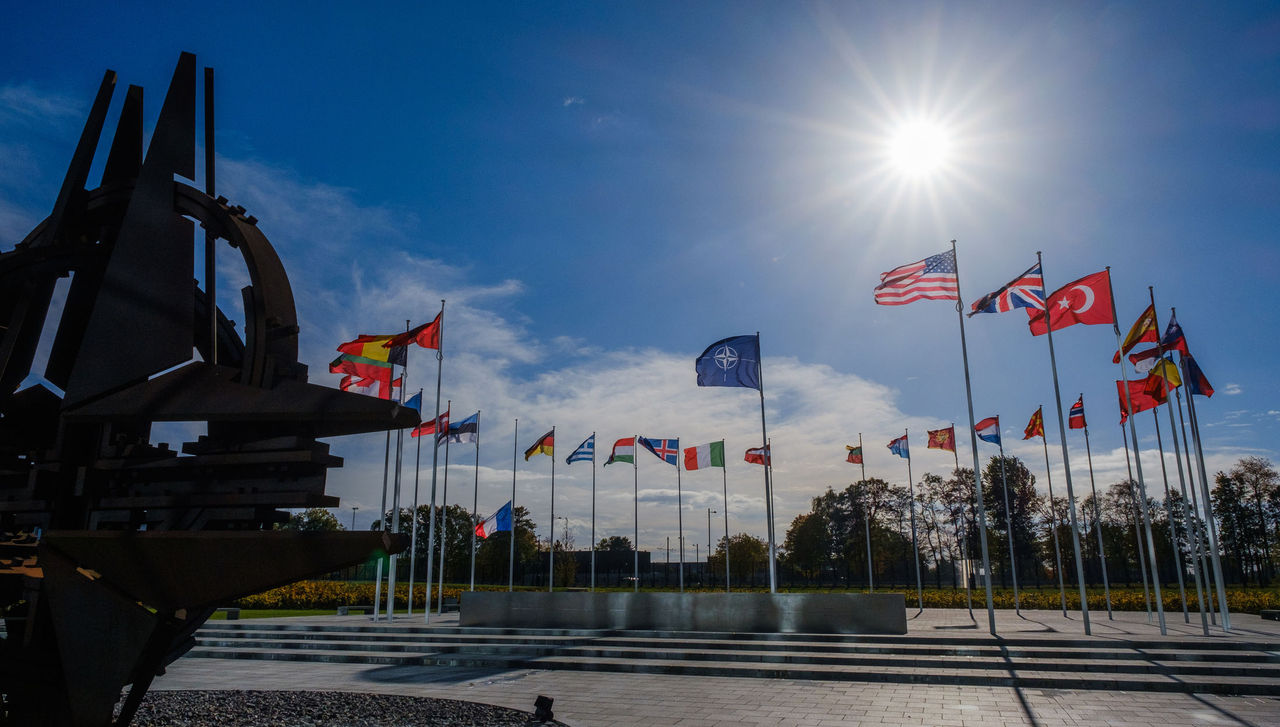
NATO Defence Ministers will meet via secure video conference on Thursday and Friday (22-23 October 2020) to discuss issues affecting Alliance security. They include progress on fairer burden-sharing, strengthening deterrence and defence, boosting the resilience of our societies, and NATO’s missions in Afghanistan and Iraq.
Ahead of the meeting, NATO Secretary General Jens Stoltenberg announced that 2020 will be the sixth consecutive year of increased defence spending by European Allies and Canada. Mr. Stoltenberg said: “We expect this trend to continue. Allies are also investing more in major capabilities and continue to contribute to our missions and operations.”
Ministers will address NATO’s strengthened deterrence and defence posture, including the response to Russia’s missile capabilities. Allies have already agreed a balanced package of political and military measures and the Secretary General stressed that NATO remains committed to arms control: “We have a long track-record on nuclear disarmament. We have reduced the number of NATO nuclear weapons in Europe by more than 90 percent over the last 30 years.”
Defence Ministers are expected to agree to create a NATO Space Centre at Allied Air Command in Ramstein, Germany. This will be a focal point for space support to NATO operations, sharing information, and coordination. “Our aim is not to militarise space, but to increase NATO’s awareness of challenges in space and our ability to deal with them,” said Mr. Stoltenberg.
The resilience of Allies will also be on the agenda and the Secretary General underlined that resilience underpins NATO’s ability to defend itself: “we cannot have strong armies without strong societies.” NATO’s baseline requirements for national resilience have already been updated, including 5G and telecommunications, cyber threats, the security of supply chains, and the consequences of foreign ownership and control.
On Friday, NATO’s training missions in Afghanistan and Iraq will be discussed. NATO remains committed to Afghanistan’s long-term security and supports the Afghan peace talks, the Secretary General said: “The Taliban must live up to their commitments, significantly reduce the levels of violence, and pave the way for a ceasefire.” Ministers are also expected to agree to expand NATO’s training mission in Iraq, which will help Iraq fight international terrorism.