
Close
Back


From now on you can download videos from our website
If you would also like to subscribe to the newsletter and receive our latest updates, click on the button below.
Enter the email address you registered with and we will send you a code to reset your password.
The password must be at least 12 characters long, no spaces, include upper/lowercase letters, numbers and symbols.
Click the button to return to the page you were on and log in with your new password.
26 June 2020
1 MIN READ
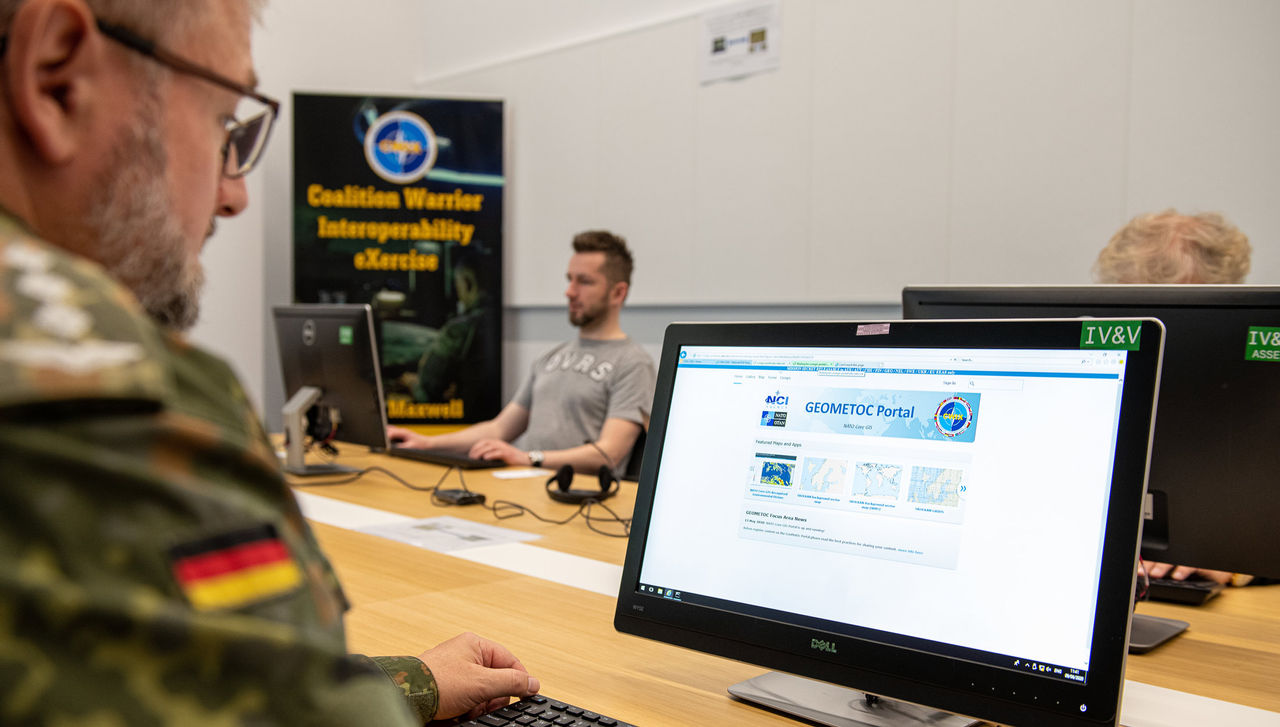
The Coalition Warrior exercise - NATO’s largest interoperability event - drew to a successful close on Thursday (25 June 2020). The exercise, which took place virtually this year, saw participants log in from test sites in San Diego on the US West Coast all the way to Ankara, Turkey.
The purpose of the exercise is to ensure that NATO’s military capabilities can work seamlessly together, as well as with those of partners and other organisations. The COVID-19 pandemic brought the exercise online, which posed an additional challenge to the participants, who had to innovate and adapt their working methods, processes and technologies.
The pandemic was also present as one of the focus areas of the exercise, which dealt with interoperability between different nations’ medical capabilities. Using supercomputers, experts tested the exchange of electronic health records, the tracking of patients’ data, and the monitoring of disease spread. This kind of tests can help save lives by improving the sharing of data among medical facilities.