
Close
Back


From now on you can download videos from our website
If you would also like to subscribe to the newsletter and receive our latest updates, click on the button below.
Enter the email address you registered with and we will send you a code to reset your password.
The password must be at least 12 characters long, no spaces, include upper/lowercase letters, numbers and symbols.
Click the button to return to the page you were on and log in with your new password.
16 June 2020
1 MIN READ
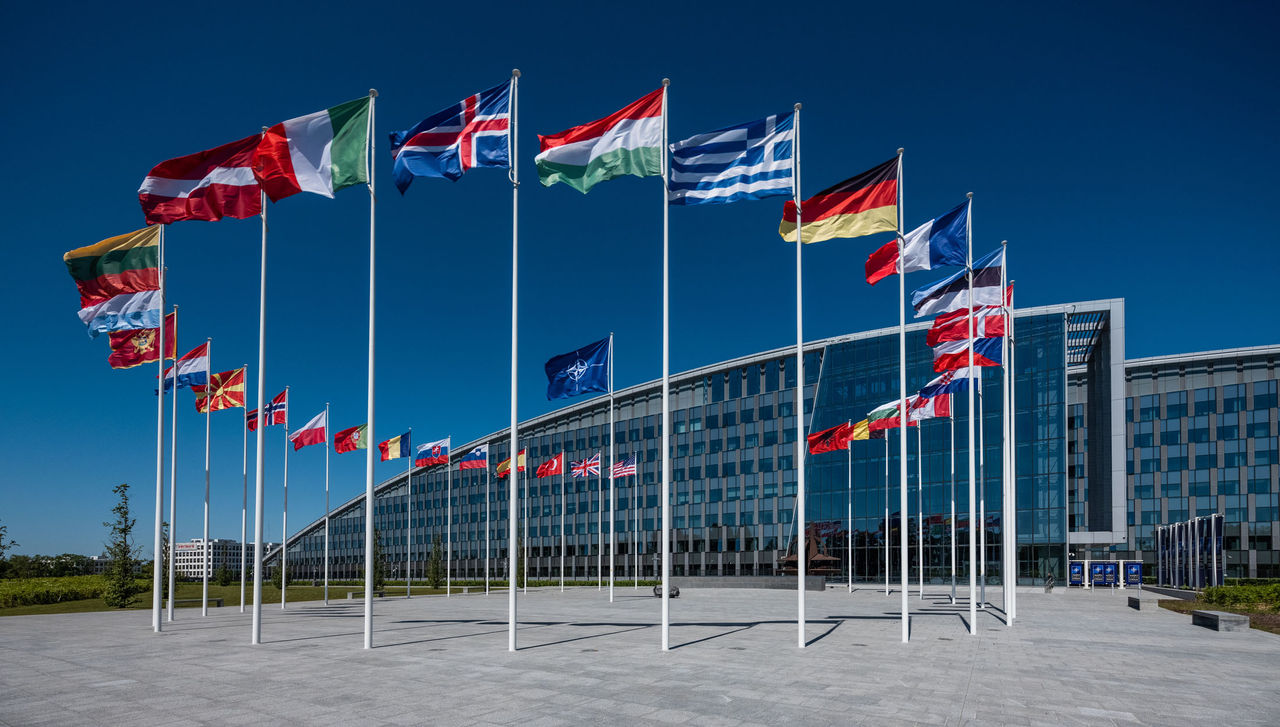
NATO Defence Ministers will meet by secure video conference tomorrow (17 June 2020) and Thursday (18 June 2020). This two-day meeting will address plans for a second wave of the coronavirus, as well as other key issues such as resilience, missions and operations, and deterrence and defence.
“We face global challenges, so we must take a global approach, to tackle them even more effectively,” Secretary General Jens Stoltenberg told a press conference ahead of the two-day meeting. The Secretary General confirmed that Defence Ministers from Finland, Sweden and Australia will join these discussions, as well as EU High Representative/Vice President Borrell.
“NATO is preparing for a possible second wave of COVID-19,” the Secretary General said, pointing to NATO’s new operation plan, a stockpile of medical equipment and a fund to acquire medical supplies at short notice.
As a sign of solidarity across the Alliance, more than half a million troops have supported the response to date, setting up almost 100 field hospitals and airlifting hundreds of tons of critical supplies around the world. “Since the beginning of the COVID-19 pandemic, NATO and Allied armed forces have played a key role in supporting civilian efforts,” the Secretary General said.
Ministers will also update NATO’s guidelines for national resilience, to cover areas such as energy, transport, and communications. These updated baseline requirements for resilience will reflect threats from cyber, the security of supply chains and foreign ownership and control.
Defence Ministers will address the security implications of Russia’s growing suite of dual-capable and nuclear missiles, and they will adopt a substantial and balanced package of political and military measures. NATO’s response will be discussed at the meeting of the Nuclear Planning Group.
“We will continue to ensure the NATO nuclear deterrent remains safe, secure and effective,” the Secretary General said. He recalled, “NATO also remains strongly committed to effective arms control, disarmament and non-proliferation, which make a key contribution to our security.”
Ministers will also discuss NATO’s missions and operations, including in Afghanistan and Iraq.