
Close
Back


From now on you can download videos from our website
If you would also like to subscribe to the newsletter and receive our latest updates, click on the button below.
Enter the email address you registered with and we will send you a code to reset your password.
The password must be at least 12 characters long, no spaces, include upper/lowercase letters, numbers and symbols.
Click the button to return to the page you were on and log in with your new password.
28 June 2019
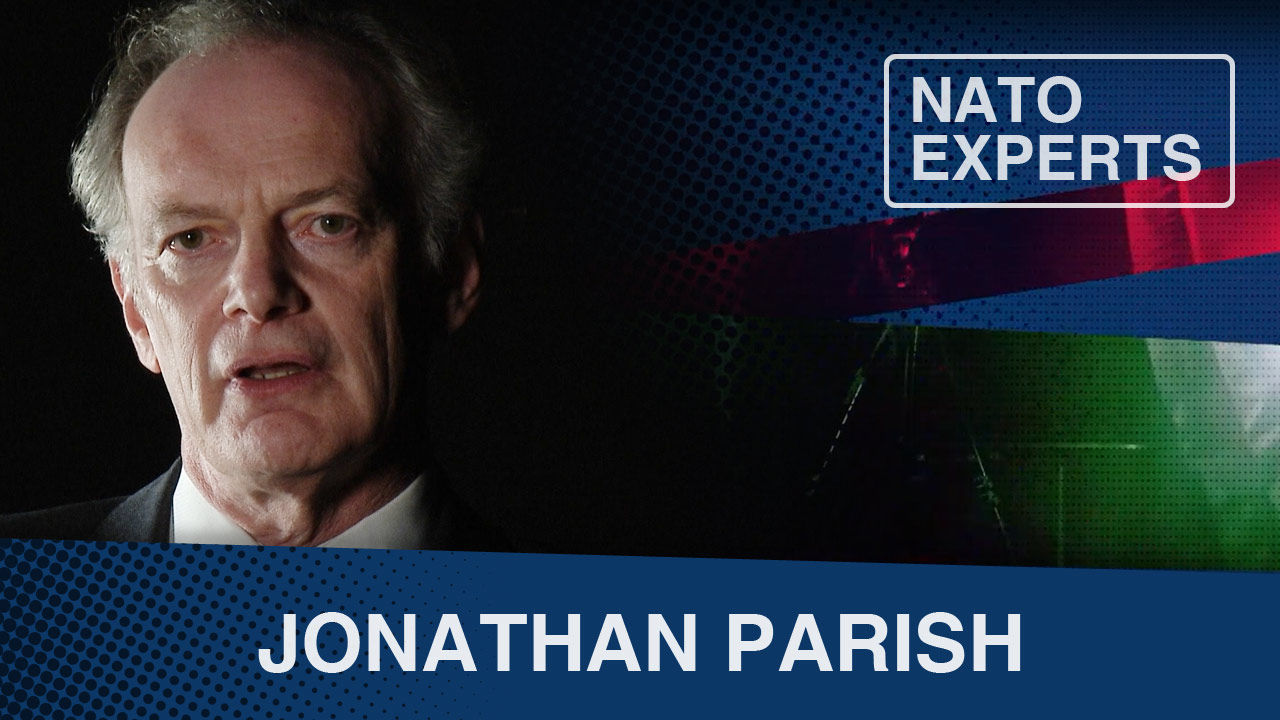
“Measuring burden-sharing is not easy,” argues Jonathan Parish, NATO’s former Deputy Assistant Secretary General for Defence Policy and Planning. How does one compare the value of a warship in a “relatively benign” situation to an infantry unit deployed to a combat zone?
NATO member states share the costs of collective defence and they do so according to what Jonathan Parish calls the “three Cs” – cash, capabilities and contributions to operations and missions. In 2014, Allies committed to moving towards a defence investment of 2% of Gross Domestic Product. By 2018, several Allies had already reached that goal and, at the Brussels Summit, all recommitted to the 2% spending goal.