
Close
Back


From now on you can download videos from our website
If you would also like to subscribe to the newsletter and receive our latest updates, click on the button below.
Enter the email address you registered with and we will send you a code to reset your password.
The password must be at least 12 characters long, no spaces, include upper/lowercase letters, numbers and symbols.
Click the button to return to the page you were on and log in with your new password.
02 September 2014
1 MIN READ
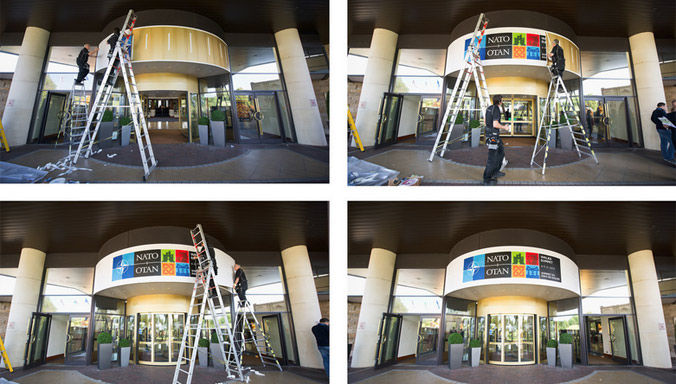
Heads of state and government leaders from the Alliance’s 28 member nations will take key decisions to ensure NATO is prepared to address current and future security challenges at a two-day Summit in Newport, Wales, which starts on Thursday (4 September 2014).
Russia’s military aggression against Ukraine, as well as growing instability to the South, including the rise of extremism and sectarian strife in the Middle East and North Africa, will be key topics on the agenda. Allies will also focus on newer threats such as cyber, missile defence and hybrid warfare.
The Summit will start with a meeting on Afghanistan, as NATO is completing its combat mission and opening a new chapter in its partnership with Kabul. Leaders will discuss the achievements of the ISAF mission and the Alliance’s commitment to supporting Afghanistan after 2014. High level representatives from the United Nations and the European Union will also attend, together with leaders from ISAF nations, Afghanistan and Japan. This will be followed by a meeting of the NATO-Ukraine Commission, which will look at enhancing NATO-Ukraine cooperation. Ukraine President Poroshenko has been invited to attend. On September 5, NATO leaders will discuss the Alliance’s ability to respond to current security risks in the East and to the South as well as future challenges. They will also look at how they can address these challenges with the right level of defence investment; spending the right amount of money on deployable forces, training and modern equipment.
The Alliance’s defence and foreign ministers will hold parallel meetings. These will include talks with the four countries that aspire to join NATO and a meeting with other international organisations to discuss security challenges. The ministers will also meet with a large group of partner countries to exchange views on how to improve cooperation, enhance and increase military interoperability.
The Summit will be one of the largest NATO has ever organised. Leaders and ministers from around 60 countries in total will attend, including senior representatives from 33 partner countries and international organisations like the United Nations, the Organisation for Security and Cooperation in Europe and the European Union.