
Close
Back


From now on you can download videos from our website
If you would also like to subscribe to the newsletter and receive our latest updates, click on the button below.
Enter the email address you registered with and we will send you a code to reset your password.
The password must be at least 12 characters long, no spaces, include upper/lowercase letters, numbers and symbols.
Click the button to return to the page you were on and log in with your new password.
29 April 2010
1 MIN READ
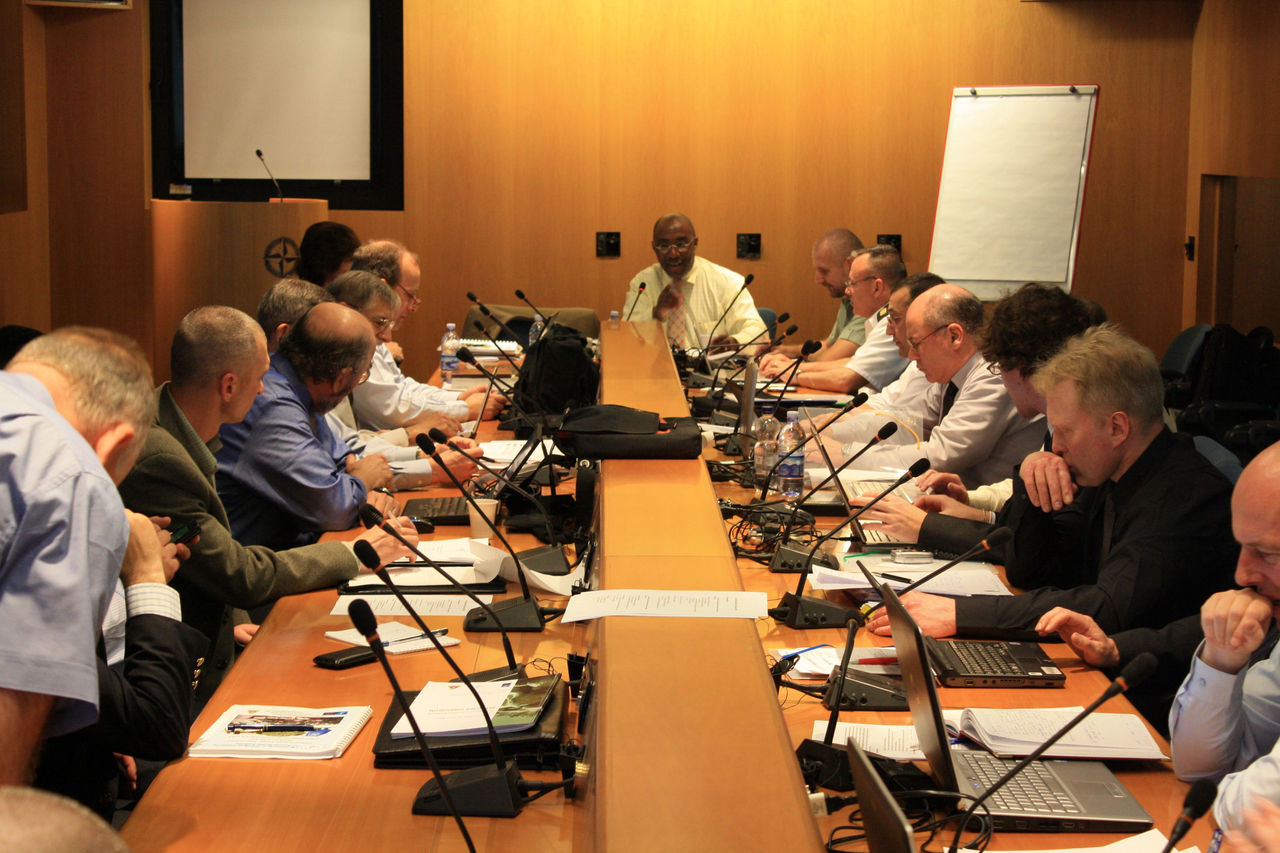
From 27 to 29 April 2010, a group of NATO and Partner country Professional Military Education (PME) experts met at the NATO Defense College in Rome, Italy, to form teams of writers to draft the themes, sections and objectives for the three PME levels considered most relevant to the needs of Partner Countries.
The meeting aimed to develop a generic reference curriculum for professional military education targeted to the needs of Partner countries. The curriculum would be used by NATO-led academic expert teams when discussing education cooperation plans with partners.
A final draft of the material produced by the three groups of writers is to undergo a peer-review in December 2010 before its official roll-out and distribution to NATO and Partner countries.
The workshop’s key facilitators were the Royal Military College of Canada, NATO International Staff, the Partnership for Peace Consortium (PfPC) and defence education experts from the Euro-Atlantic Partnership Council (EAPC).