
Close
Back


From now on you can download videos from our website
If you would also like to subscribe to the newsletter and receive our latest updates, click on the button below.
Enter the email address you registered with and we will send you a code to reset your password.
The password must be at least 12 characters long, no spaces, include upper/lowercase letters, numbers and symbols.
Click the button to return to the page you were on and log in with your new password.
12 June 2009
1 MIN READ
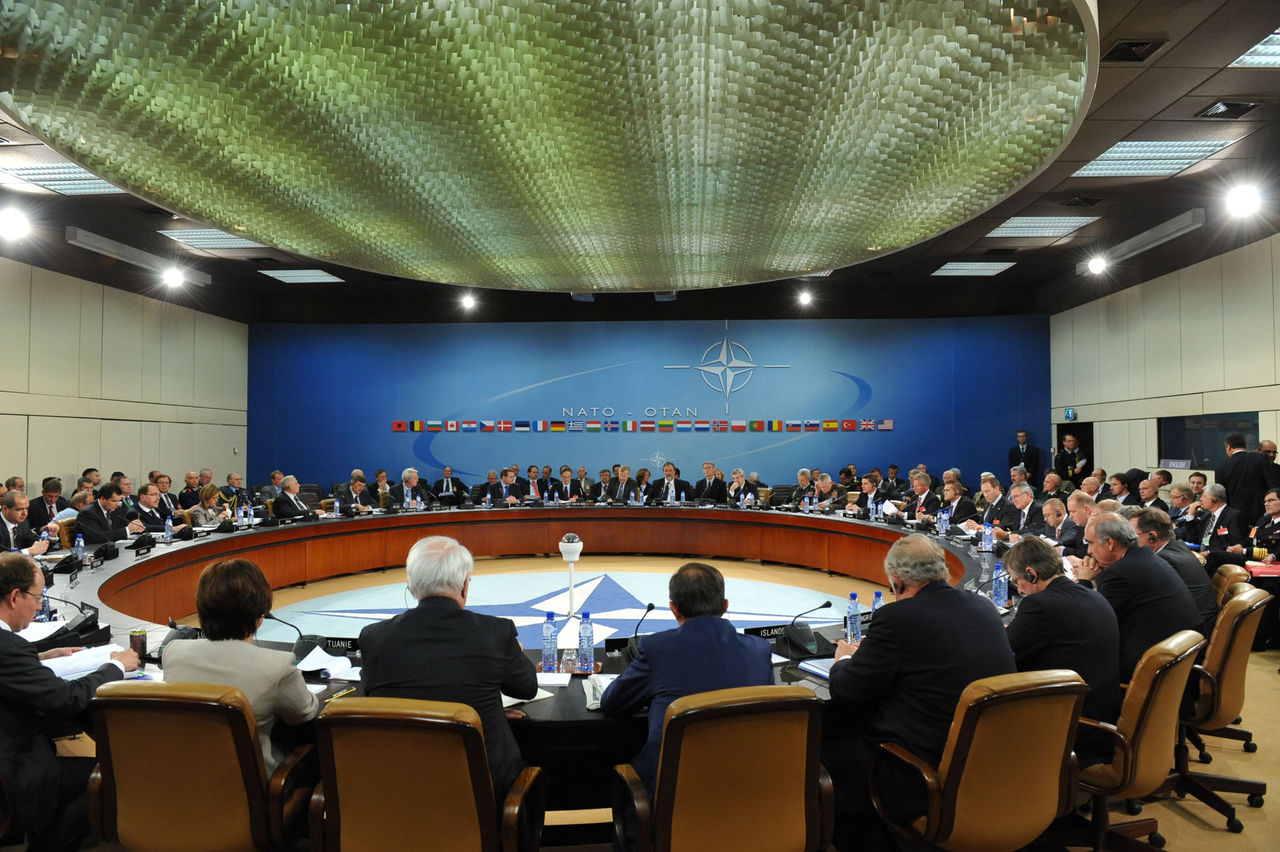
On the second day of their meeting, NATO defence ministers tackled the transformation agenda. This process is driven by a constant need for modernization, updating and resourcing of key capabilities needed by NATO so it can deal successfully with 21st century security challenges. Allies believe that this puts a premium on multinational solutions, on prioritisation of resources and innovative thinking.
Ministers reviewed and provided guidance on a wide-range of intra-Allied initiatives, including, inter alia, Allied Ground Surveillance (AGS), strategic airlift, helicopters project and usability of forces enhancement.
Two subjects were discussed in depth. First, Ministers agreed on a new structure and arrangements for NATO Response Force (NRF). It will include a core element, a command and control part, as well as forces available on call. Moreover, the new force generation mechanisms will allow for more sustainable and “user-friendly” contributions from individual Allies.
Second, they focused on various ideas presented by the Secretary General to make the NATO Headquarters in Brussels better fit to serve the Alliance in the years to come. In the words of Mr. Jaap de Hoop Scheffer – “My ambition is to leave to my successor a more flexible and efficient organisation”.