
Close
Back


From now on you can download videos from our website
If you would also like to subscribe to the newsletter and receive our latest updates, click on the button below.
Enter the email address you registered with and we will send you a code to reset your password.
The password must be at least 12 characters long, no spaces, include upper/lowercase letters, numbers and symbols.
Click the button to return to the page you were on and log in with your new password.
28 April 2006
1 MIN READ
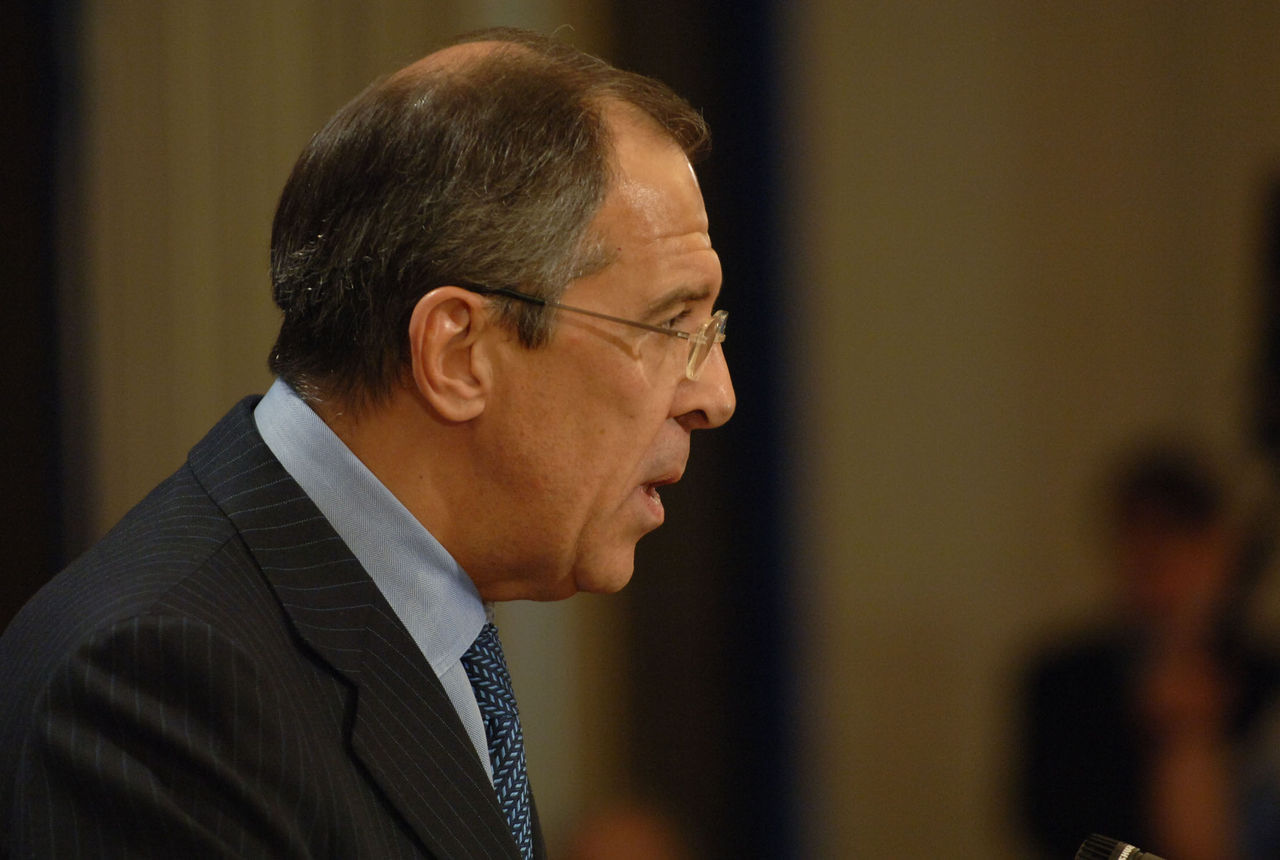
Foreign Ministers from NATO countries and Russia agreed to a document laying out priorities for NATO-Russia cooperation, including political dialogue, the fight against terrorism and interoperability.
The informal meeting of the NATO-Russia Council, held in the Bulgarian capital Sofia on 28 April, adopted the Recommendations for priorities in the further development of NATO-Russia relations.
It reviews NATO-Russia cooperation to date and lays out specific recommendations for the work ahead.
This includes ensuring that forces from NATO countries and Russia are capable of working together on joint operations; the fight against terrorism; an Afghanistan counter-narcotics project; a common airspace initiative; and intensified political dialogue.
NATO Secretary General Jaap de Hoop Scheffer told reporters that since it was established in 2002, the NATO-Russia Council has developed into a forum for far-reaching practical cooperation and “lively, candid discussions” on political issues.
Mr. De Hoop Scheffer said that there were issues on which NATO and Russia did not see eye to eye.
He gave Belarus and the implementation of the Conventional Armed Forces in Europe (CFE) Treaty as two examples.
“That is what the NRC is for, not only to say how much we agree with each other, it also to conclude where we disagree and continue the open and frank discussions,” the Secretary General told reporters.
Mr. De Hoop Scheffer said that public opinion in NATO and Russia countries should have the opportunity to hear more about NATO-Russia cooperation. To this end, from 11-26 May, nine Russian cities, from Vladivostok to Kaliningrad, will host a “NATO-Russia Rally”.
This will be a series of public events, including NATO and Russian officials and focusing on NATO-Russian cooperation.