
Close
Back


From now on you can download videos from our website
If you would also like to subscribe to the newsletter and receive our latest updates, click on the button below.
Enter the email address you registered with and we will send you a code to reset your password.
The password must be at least 12 characters long, no spaces, include upper/lowercase letters, numbers and symbols.
Click the button to return to the page you were on and log in with your new password.
06 February 2026
Issued: 10 February 2026
1 MIN READ
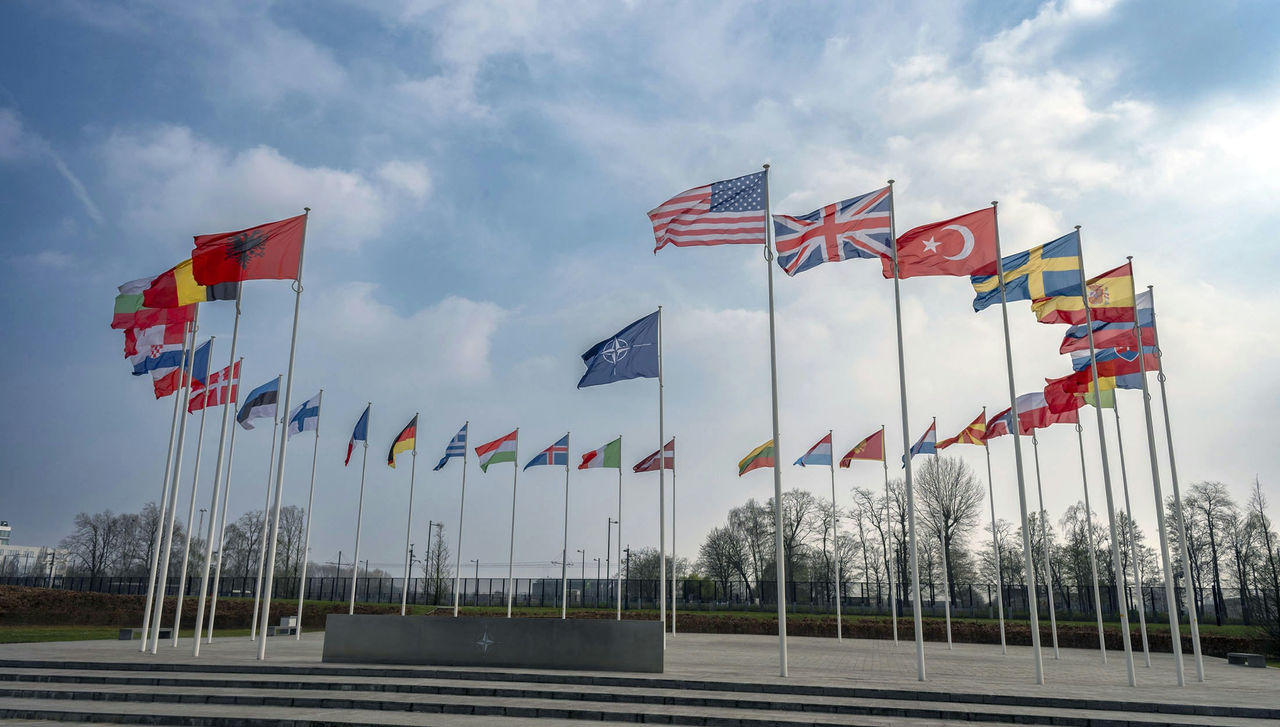
On 6 February 2026, Allies agreed on a new distribution of senior officer responsibility across the NATO Command Structure in which European Allies, including NATO’s newest members, will play a more prominent role in the Alliance’s military leadership.
The United Kingdom will take over command of Joint Force Command Norfolk and Italy will do the same for Joint Force Command Naples, both of which are currently led by the United States. Germany and Poland will share command of Joint Force Command Brunssum on a rotational basis. As a result, all three Joint Force Commands (four star commands), which lead at the operational level in crisis and conflict, will be led by Europeans.
The United States will lead all three theater component commands, newly taking up responsibility for Allied Maritime Command, and maintaining leadership of Allied Land Command and Allied Air Command.
These changes will be implemented incrementally in the coming years, in line with the existing scheduled rotation of personnel.
The agreement is part of a shift to more fairly share responsibility within NATO, with European Allies taking on greater leadership roles in NATO’s Command Structure, while also making clear the US commitment to NATO command and control, including in maintaining the role of Supreme Allied Commander Europe (SACEUR).