Close
Back


From now on you can download videos from our website
If you would also like to subscribe to the newsletter and receive our latest updates, click on the button below.
Enter the email address you registered with and we will send you a code to reset your password.
The password must be at least 12 characters long, no spaces, include upper/lowercase letters, numbers and symbols.
Click the button to return to the page you were on and log in with your new password.
11 июля 2023
2 MIN READ
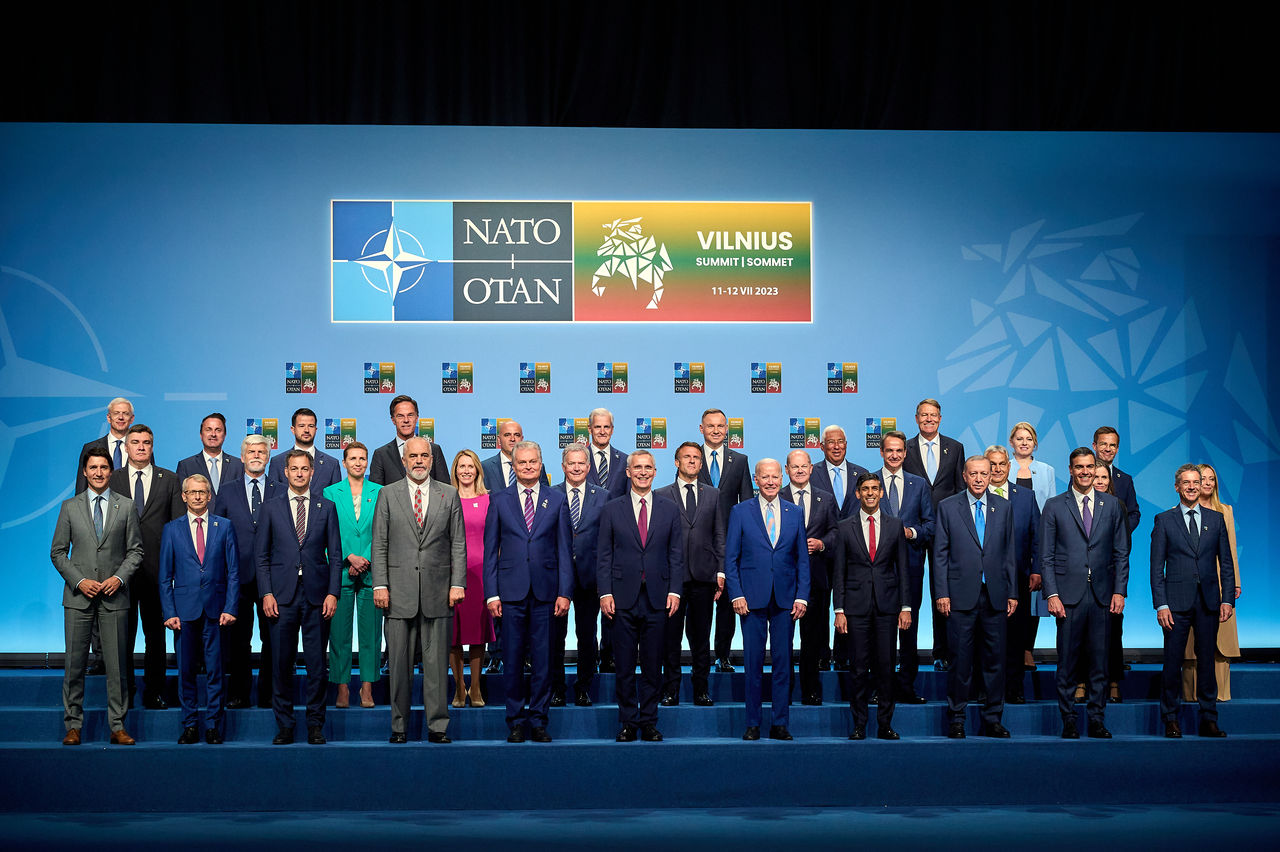
На первом рабочем заседании встречи в верхах в Вильнюсе во вторник (11 июля 2023 г.) госуларства-члены приняли решения о приближении Украины к НАТО и об укреплении коллективного сдерживания и обороны Североатлантического союза.
Союзники по НАТО согласовали пакет из трех элементов, направленных на то, чтобы приблизить Украину к НАТО. Он включает в себя новую многолетнюю программу помощи, призванную содействовать переходу украинских вооруженных сил с советских стандартов на стандарты НАТО и помочь в восстановлении сектора безопасности и обороны Украины, покрывая такие важнейшие потребности, как топливо, оборудование для разминирования и предметы снабжения медицинского назначения.
Государства-члены также договорились о создании нового Совета НАТО-Украина, инаугурационное заседание которого состоится в среду в Вильнюсе при участии президента Зеленского. Союзники по НАТО также подтвердили, что Украина станет членом НАТО, и договорились отменить требование относительно Плана действий по подготовке к членству. "Это мощный пакет для Украины и четкий путь к ее членству в НАТО", - заявил Генеральный секретарь Йенс Столтенберг.
По словам г-на Столтенберга, государства-члены приняли "самые всеобъемлющие оборонные планы с момента окончания холодной войны". Новые региональные планы, разработанные для противодействия двум основным угрозам НАТО - России и терроризму, - предусматривают наличие 300 тыс. личного состава в повышенной степени готовности, включая существенную боевую мощь ВВС и ВМС. Государства-члены также утвердили новый План действий в области оборонного производства, направленный на ускорение совместных закупок, увеличение производственных мощностей и повышение оперативной совместимости членов НАТО.
Для удовлетворения своих оборонных потребностей союзники по НАТО взяли на себя твердое обязательство инвестировать в оборону не менее 2% своего валового внутреннего продукта (ВВП). Европейские союзники и Канада зафиксировали увеличение своих оборонных бюджетов в 2023 году на 8,3% в реальном выражении, что является самым значительным увеличением за последние десятилетия. В этом году одиннадцать союзников достигли или превысили этот показатель, и ожидается, что в 2024 году он существенно возрастет.
Члены НАТО также обсудили вызовы, которые использующий политику принуждения Китай создает для евроатлантической безопасности и ценностей. "Китай не является нашим противником, и мы должны продолжать взаимодействие", - заявил Генеральный секретарь, подчеркнув при этом, что "растущая напористость Пекина влияет на нашу безопасность" и бросает вызов международному порядку, основанному на правилах. В среду состоятся встречи государств-членов с лидерами Австралии, Новой Зеландии, Южной Кореи и Японии, а также Европейского Союза.