Fermer
Retour
Accédez aux ressources médiatiques officielles de l'OTAN. Un contenu de qualité professionnelle, diffusé sur les dernières actualités. La référence pour les professionnels des médias.

Accédez aux ressources médiatiques officielles de l'OTAN. Un contenu de qualité professionnelle, diffusé sur les dernières actualités. La référence pour les professionnels des médias.
Désormais, vous pouvez télécharger des versions complètes ou partielles de nos vidéos depuis notre site Web.
Si vous souhaitez également vous abonner à la newsletter et recevoir nos dernières mises à jour, cliquez sur le bouton ci-dessous.
Entrez l'adresse e-mail avec laquelle vous vous êtes inscrit et nous vous enverrons un code pour réinitialiser votre mot de passe.
Le mot de passe doit comporter au moins 12 caractères, sans espaces, inclure des lettres majuscules/minuscules, des chiffres et des symboles.
Cliquez sur le bouton pour revenir à la page sur laquelle vous étiez et connectez-vous avec votre nouveau mot de passe.
21 November 2025
2 MIN READ
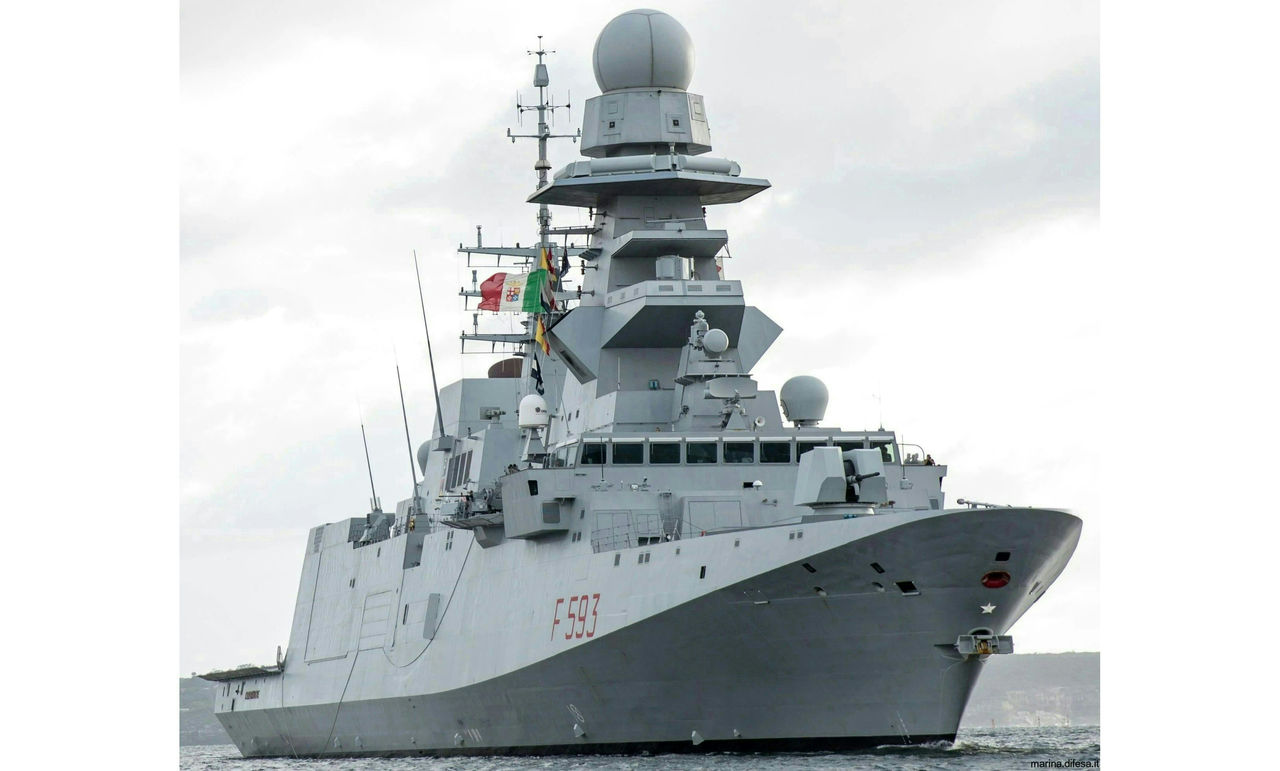
NATO’s Critical Undersea Infrastructure (CUI)-Network met on 20-21 November 2025 in Rome, Italy, to further integrate perspectives across civilian and military actors for enhancing the security of critical undersea infrastructure. Experts from NATO HQ and Allied countries were joined by industry stakeholders, European Union representatives and, for the first time, NATO partner nations.
With a rise in hybrid threats across Europe, the discussions focused on best practices for securing critical undersea infrastructure in the Mediterranean region and beyond. Deploying sensing and surveillance technologies, including drones, to enhance security around this expanding and increasingly vital infrastructure was a key theme of the meeting. Participants also visited the Italian Navy Critical Undersea Infrastructure Surveillance Center to see how civilian and military stakeholders work together to monitor and respond rapidly to suspicious activities near critical undersea infrastructure.
“A 360-degree approach to security is vital for the Alliance. The Mediterranean region could not be more critical,” said Ambassador Jean-Charles Ellermann-Kingombe, NATO’s Assistant Secretary General for Cyber and Digital Transformation and Special Coordinator for Hybrid Threats. Noting that threats and challenges are interconnected, he added, “We are here to deepen our exchanges, and to widen the scope of our cooperation across civilian, military, public and private sectors.”
NATO’S CUI-Network was established in February 2024, with the aim of leveraging NATO as a platform to improve information sharing and coordination. Following disruptions to undersea infrastructure in the Baltic Sea in December 2024, NATO launched “Baltic Sentry”, a multi-domain activity aimed to bolster NATO’s military presence and improve Allies’ ability to respond to destabilising acts.