Fermer
Retour
Accédez aux ressources médiatiques officielles de l'OTAN. Un contenu de qualité professionnelle, diffusé sur les dernières actualités. La référence pour les professionnels des médias.

Accédez aux ressources médiatiques officielles de l'OTAN. Un contenu de qualité professionnelle, diffusé sur les dernières actualités. La référence pour les professionnels des médias.
Désormais, vous pouvez télécharger des versions complètes ou partielles de nos vidéos depuis notre site Web.
Si vous souhaitez également vous abonner à la newsletter et recevoir nos dernières mises à jour, cliquez sur le bouton ci-dessous.
Entrez l'adresse e-mail avec laquelle vous vous êtes inscrit et nous vous enverrons un code pour réinitialiser votre mot de passe.
Le mot de passe doit comporter au moins 12 caractères, sans espaces, inclure des lettres majuscules/minuscules, des chiffres et des symboles.
Cliquez sur le bouton pour revenir à la page sur laquelle vous étiez et connectez-vous avec votre nouveau mot de passe.
27 February 2025
1 MIN READ
On 25 February (Tuesday), NATO’s Science for Peace and Security (SPS) Programme held a high-level launch of a multinational scientific research project, “Operational Energy Efficiency.”
The multi-year project aims to monitor energy consumption and develop simulation tools to support military planners in assessing and optimising energy effectiveness.
Co-led by Canada and Ukraine, this project brings together a large scientific and academic team, with an additional eight NATO Allies also participating – Belgium, Denmark, France, Lithuania, the Netherlands, Slovenia, the UK, and the USA.
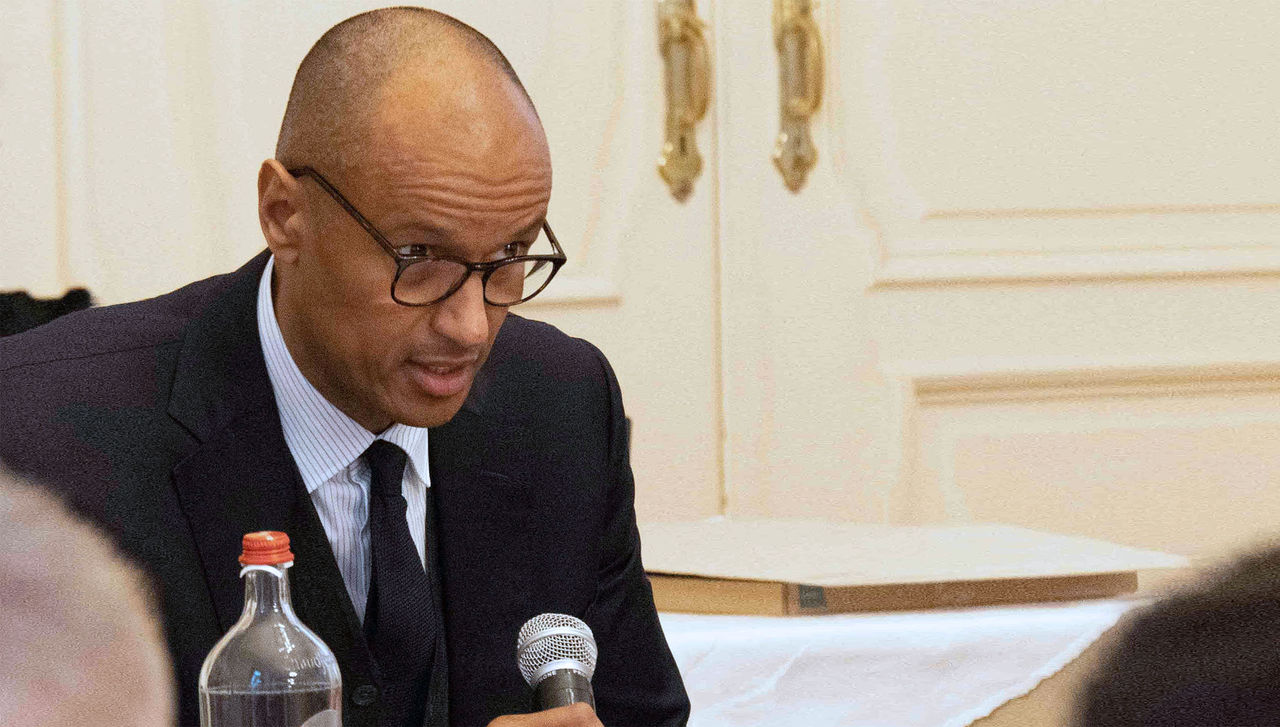
At the launch event, NATO Assistant Secretary General for Innovation, Hybrid and Cyber, Ambassador Jean-Charles Ellermann-Kingombe said: “This technology project demonstrates NATO’s commitment to Ukraine and to rapid technology adoption. We will find innovative solutions together and boost interoperability. This collaborative project involving nine Allies and Ukraine will enhance operational energy management and improve strategic planning, increase mission endurance and operational readiness and effectiveness, while reducing costs and logistical risks. Through the exploitation of digital twin technology, it will also help identify suitable power systems in the rebuilding of Ukraine.”
The project is part of NATO's Science for Peace and Security Program. On average, Ukrainian scientists are involved in 30% of proposals submitted to the SPS Programme each year. As of January 2025, Ukraine is participating in 50 ongoing SPS activities.