Close
Back


From now on you can download videos from our website
If you would also like to subscribe to the newsletter and receive our latest updates, click on the button below.
Enter the email address you registered with and we will send you a code to reset your password.
The password must be at least 12 characters long, no spaces, include upper/lowercase letters, numbers and symbols.
Click the button to return to the page you were on and log in with your new password.
Updated: 11 January 2024
Energy security plays an important role in the common security of NATO Allies. The disruption of energy supply could affect security within the societies of NATO member and partner countries, and have an impact on NATO's military operations. While these issues are primarily the responsibility of national governments, NATO Allies regularly consult on energy security to enhance Allied awareness and resilience. NATO seeks to enhance its strategic awareness of energy developments with security implications; develop its capacity to support the protection of critical energy infrastructure; and ensure reliable and efficient energy supplies to the military.
While NATO is not an energy institution, energy developments affect the international security environment and can have far-reaching security implications for Allies. Given the global energy transition, a stable and reliable energy supply, the diversification of routes, suppliers and energy resources, and the interconnectivity of energy networks remain critically important for increased resilience against political and economic pressure.
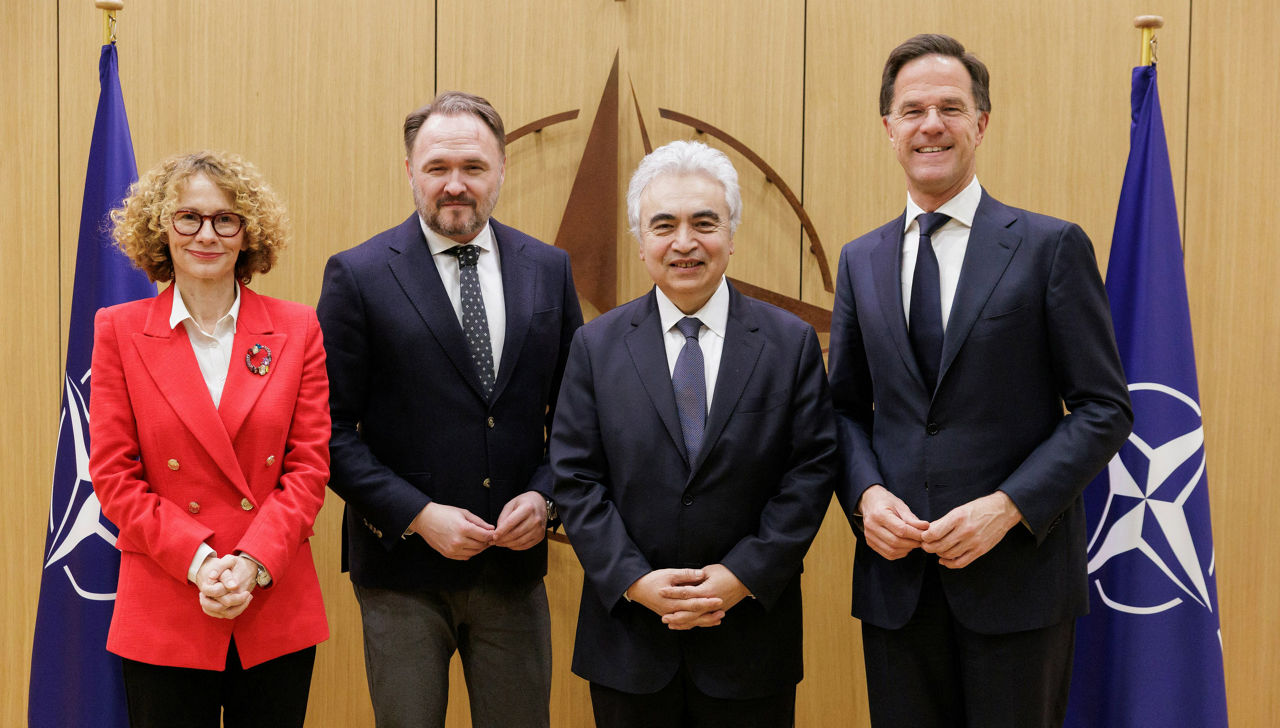
NATO closely follows relevant energy trends and developments, and seeks to raise its strategic awareness in this area. This includes consultations on energy security among Allies and partner countries, enhancing intelligence-sharing and assessments, and expanding links with relevant international organisations, such as the International Energy Agency and the European Union. NATO also organises specific events, such as workshops, table-top exercises and briefings by external experts. Of particular importance in this regard are the North Atlantic Council’s bi-annual meetings on regional and global energy developments, NATO’s Annual Roundtable on Energy Security, as well as the annual Energy Security Strategic Awareness Course at the NATO School in Oberammergau, Germany.
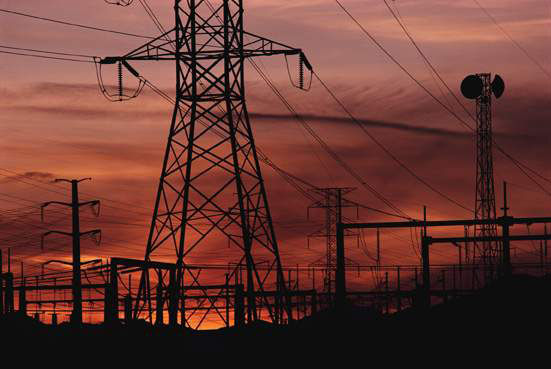
All countries rely on energy infrastructure for their energy security. Energy infrastructure is one of the most vulnerable assets, especially in areas of conflict. Since infrastructure networks extend beyond borders, attacks on complex energy infrastructure by hostile states, terrorists, or other malign actors can have repercussions across regions. Since electricity is key to the global energy transition, power infrastructure security is becoming the cornerstone of energy security. For this reason, NATO seeks to increase its competence in supporting the protection of critical energy infrastructure, mainly through training and exercises.
Protecting energy infrastructure is primarily a national responsibility. However, since NATO forces are dependent on civilian energy infrastructure, it is important that Allies strengthen their infrastructure to account for NATO’s resilience baseline requirements. Moreover, NATO organises exercises and exchanges best practices with partner countries, many of which are important energy producers or transit countries, and with other international institutions and the private sector. Since 2018, the NATO-Istanbul Cooperation Initiative (ICI) Regional Centre has been hosting a training course on the protection of critical energy infrastructure.
NATO is supporting national authorities in enhancing their resilience against energy supply disruptions that could affect national and collective defence.
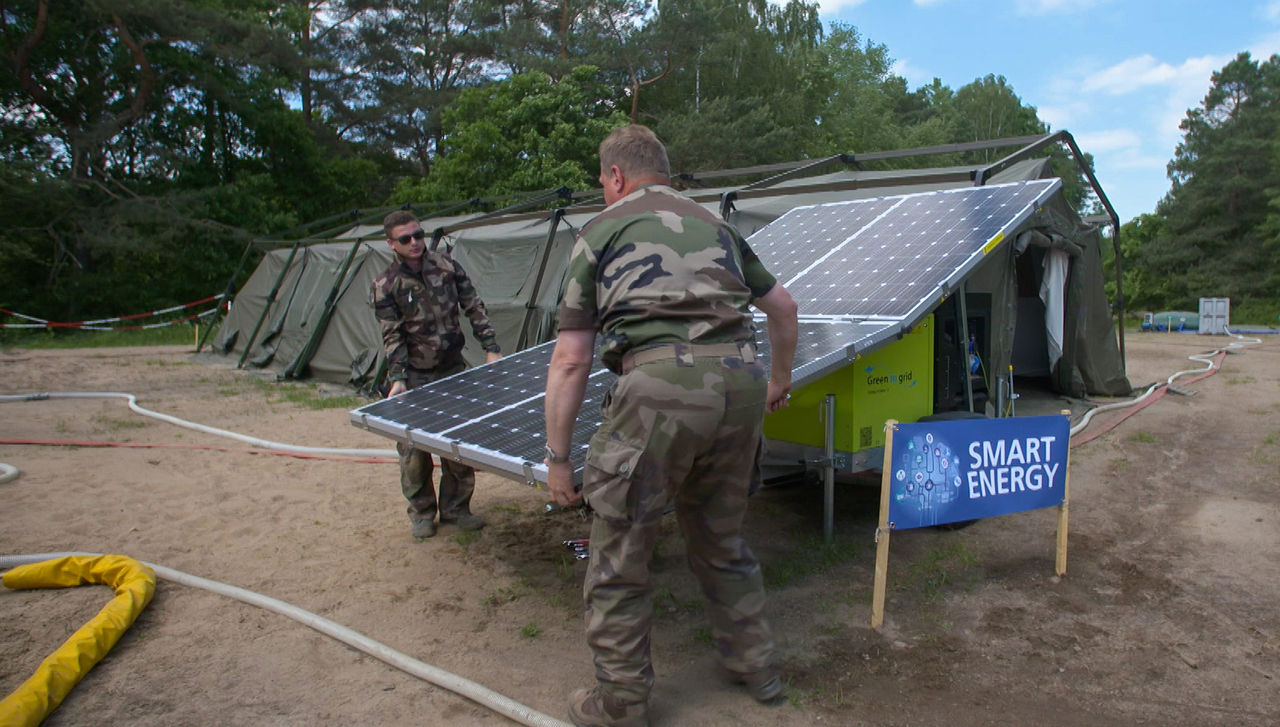
Energy supplies to the military must be ensured at all times. Since the military depends on civilian energy networks, it is important to ensure the security of critical energy infrastructure and supply chains, and develop innovative, resilient, efficient and autonomous energy solutions for the military, such as dedicated micro-grids with hybrid power generation.
In addition, the high fuel demand of combat forces can diminish their performance, increase their vulnerability, and may require the diverting of combat forces to protect supply lines. Hence, increased energy efficiency could offer benefits in terms of combat power and agility. In light of the global energy transition, NATO seeks to enhance energy efficiency and sustainability in the military while maintaining operational effectiveness.
NATO’s “Smart Energy” work in this regard focuses on reducing the consumption of fossil fuels in deployed force infrastructure (i.e. military camps), resulting in more autonomy, a lesser logistical burden and a smaller environmental footprint.
Allies are also reviewing the fuel supply chain, which includes the Central Europe Pipeline System, to ensure reliable energy supplies to NATO forces across the Alliance in a more demanding security environment.
At the 2008 Bucharest Summit, Allies agreed a report on "NATO's Role in Energy Security", which identified guiding principles and outlined options and recommendations for further activities. These were reiterated at subsequent summits, while at the same time giving NATO's role clearer focus and direction.
The 2010 Strategic Concept, the setting up of an Energy Security Section in the Emerging Security Challenges Division – now the Innovation, Hybrid and Cyber Division – at NATO Headquarters that same year, and the accreditation of the NATO Energy Security Centre of Excellence in Lithuania in 2012 were major milestones in this process.
The decision of Allies to "integrate … energy security considerations in NATO's policies and activities" (2010 Lisbon Summit Declaration) also meant the need for NATO to reflect energy security in its education and training efforts, as well as in its exercise scenarios. Since then, several exercises have included energy-related developments, and dedicated training courses have been stood up, both nationally and at the NATO School in Oberammergau.
At the 2018 Brussels Summit, Allies underlined the important role energy security plays in their common security and agreed that it is essential to ensure that the members of the Alliance are not vulnerable to political or economic manipulation. In November 2019, Allies agreed a set of recommendations on consolidating NATO's role in energy security, which included a stronger focus on how to ensure a viable fuel supply to the military across the Alliance.
In March 2021, the Allies endorsed NATO's Climate Change and Security Agenda and, at the 2021 Brussels Summit in June, the Action Plan to implement it. This Action Plan is designed to boost NATO's efforts to increase military energy efficiency while maintaining operational effectiveness.
At the 2022 Madrid Summit, NATO adopted its current 2022 Strategic Concept, which takes into account the role of energy security in a more challenging strategic environment, as authoritarian actors and strategic competitors conduct malicious activities in cyberspace, manipulate energy supplies and employ economic coercion. As a result, Allies agreed to enhance their energy security and invest in stable and reliable energy supplies, suppliers and sources. Allies will also work towards identifying and mitigating strategic vulnerabilities and dependencies, including with respect to their critical infrastructure and supply chains.
In the 2022 Strategic Concept, Allies agreed to invest in their ability to prepare for, deter and defend against the coercive use of political, economic, energy and other hybrid tactics by states and non-state actors. At the Madrid Summit, Allies also declared that they will strengthen their energy security and will ensure reliable energy supplies to their military forces.
At the 2023 NATO Summit in Vilnius, Allies agreed to develop NATO’s capacity to support national authorities in protecting critical energy infrastructure. In light of the energy crisis intentionally exacerbated by Russia, Allies reaffirmed their commitment to ensure secure, resilient and sustainable energy supplies to military forces. While adapting to the global energy transition, Allies will ensure military capability, effectiveness and interoperability.
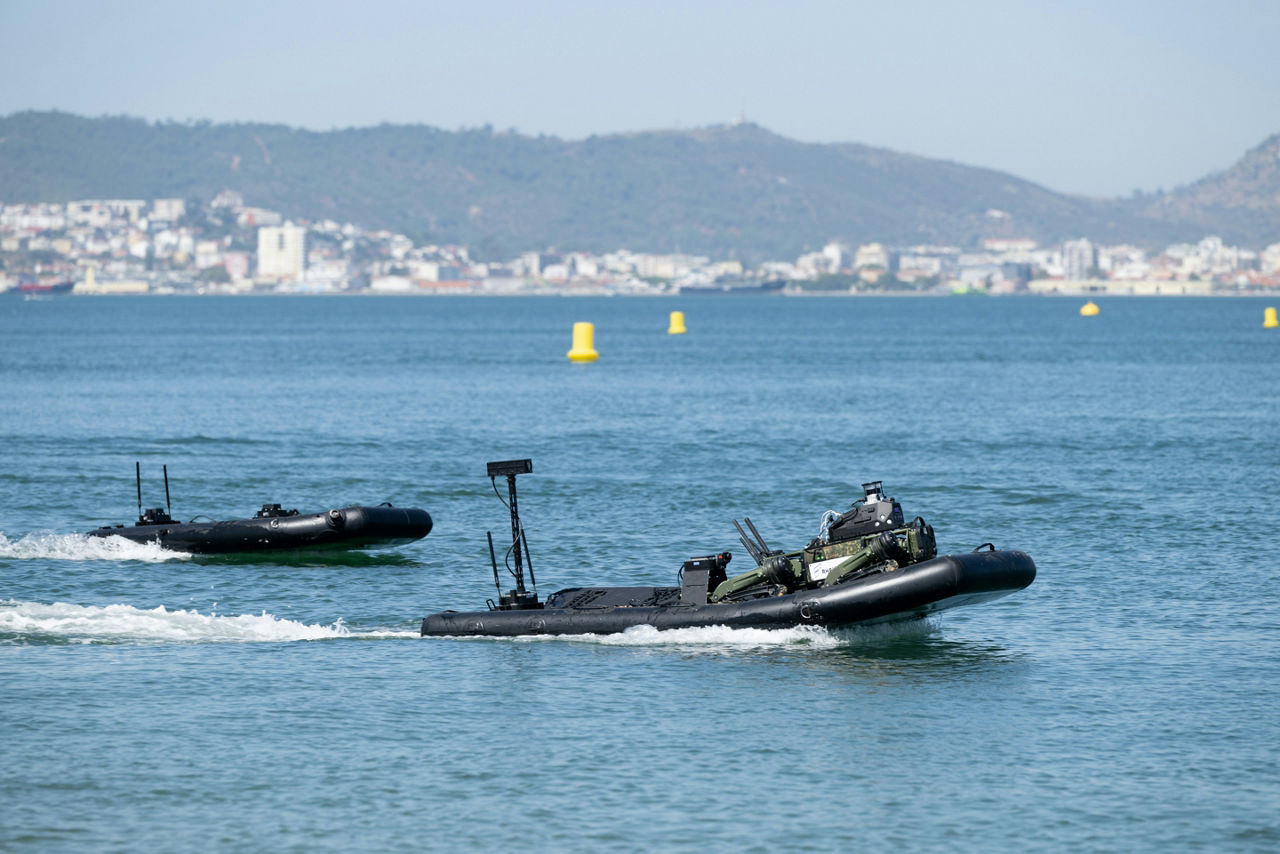
At the Vilnius Summit, Allies also underscored the real and developing threat to critical undersea infrastructure, which plays an important role in ensuring energy supplies. They agreed to establish NATO’s Maritime Centre for the Security of Critical Undersea Infrastructure within NATO’s Maritime Command (MARCOM). They also agreed to set up a network that brings together NATO, Allies, the private sector and other relevant actors to improve information sharing and exchange best practices.
In the years to come, NATO will continue to focus on assessing risks to Allies’ energy security and deepening ties with other international organisations in this regard. The Allies will regularly consult on energy developments with security implications to the Alliance, support critical energy infrastructure protection and resilience, explore innovative energy technologies such as micro-grids and synthetic fuels, continue to develop the military fuel supply chain, and adapt their militaries to the energy transition.
10 December 2025
29 June 2022
11 July 2018
20 May 2012
3 April 2008
29 November 2006