Close
Back


From now on you can download videos from our website
If you would also like to subscribe to the newsletter and receive our latest updates, click on the button below.
Enter the email address you registered with and we will send you a code to reset your password.
The password must be at least 12 characters long, no spaces, include upper/lowercase letters, numbers and symbols.
Click the button to return to the page you were on and log in with your new password.
Updated: 04 July 2025
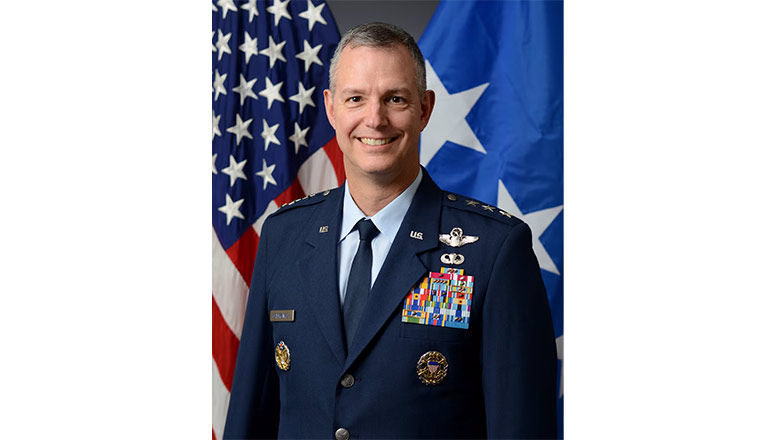
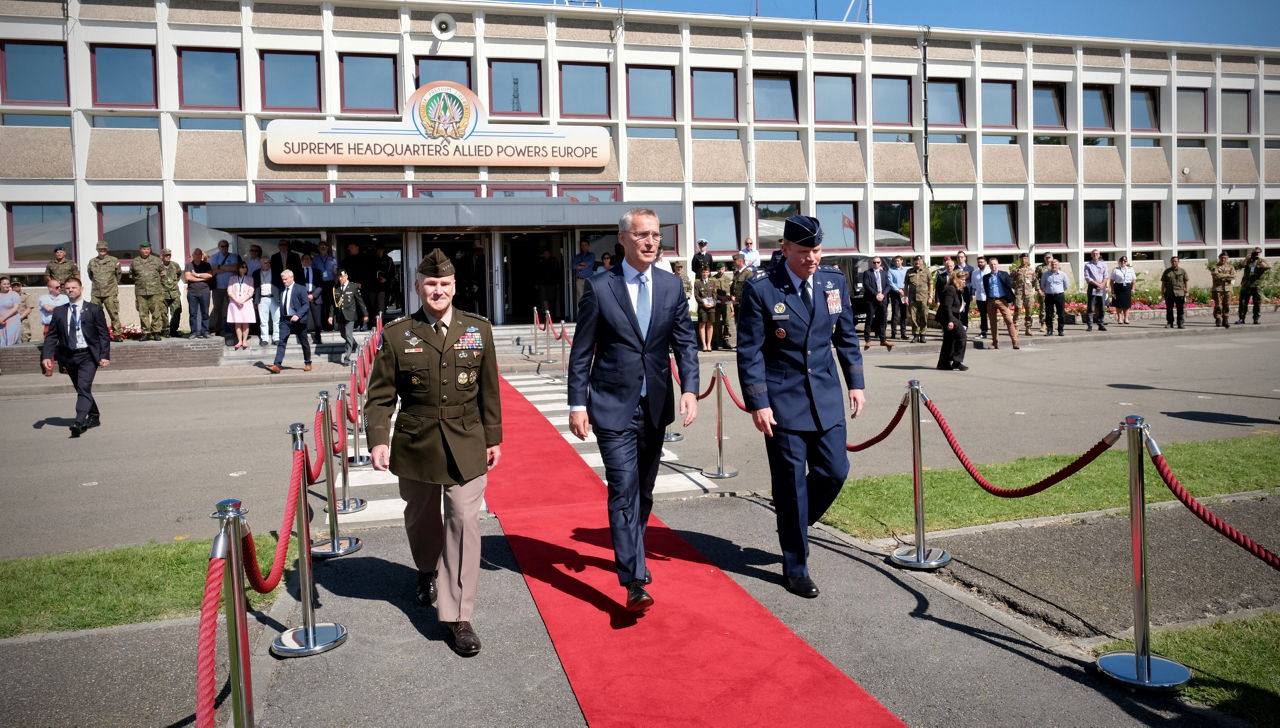
The Supreme Allied Commander Europe (SACEUR) is one of NATO’s two strategic commanders and is at the head of Allied Command Operations (ACO). SACEUR is responsible to NATO’s highest military authority – the Military Committee (MC) – for the conduct of all NATO military operations.

SACEUR is responsible for the overall command of NATO military operations. He conducts the necessary military planning for operations, including the identification of forces required for the mission and requests these forces from NATO countries, as authorised by the North Atlantic Council and as directed by the MC. SACEUR analyses these operational needs in cooperation with the Supreme Allied Commander Transformation (SACT).
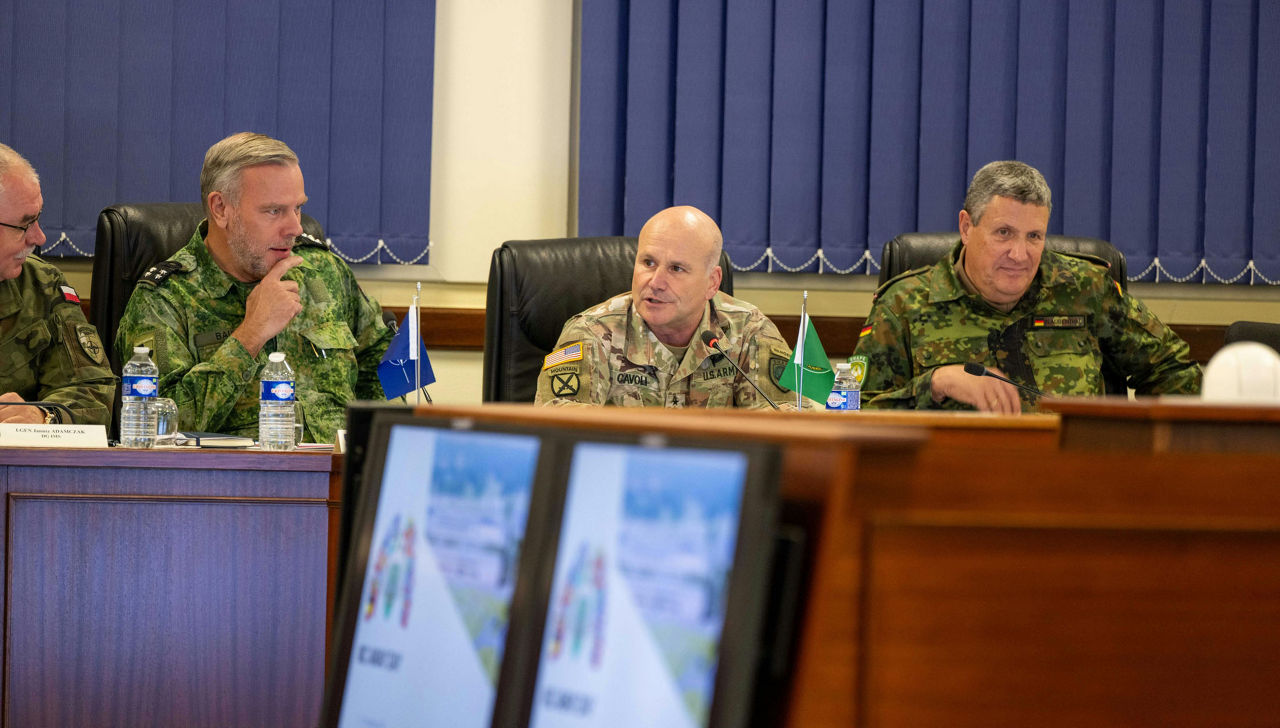
The Supreme Commander makes recommendations to NATO's political and military authorities on any military matter that may affect his ability to carry out his responsibilities. For day-to-day business, he reports to the MC, composed of Military Representatives for Chiefs of Defence of NATO member countries. He also has direct access to the Chiefs of Defence and may communicate with appropriate national authorities, as necessary, to facilitate the accomplishment of his tasks.
In the case of an aggression against a NATO member state, SACEUR, as Supreme Commander, is responsible for executing all military measures within his capability and authority to preserve or restore the security of Alliance territory.
SACEUR also has an important public profile and is the senior military spokesperson for ACO. Through his own activities and those of his public information staff, he maintains regular contacts with the media. He also undertakes official visits to NATO countries and countries where NATO is conducting operations, or with which NATO is developing dialogue, cooperation and partnership.
Other tasks that come under the responsibility of the Supreme Allied Commander Europe include:
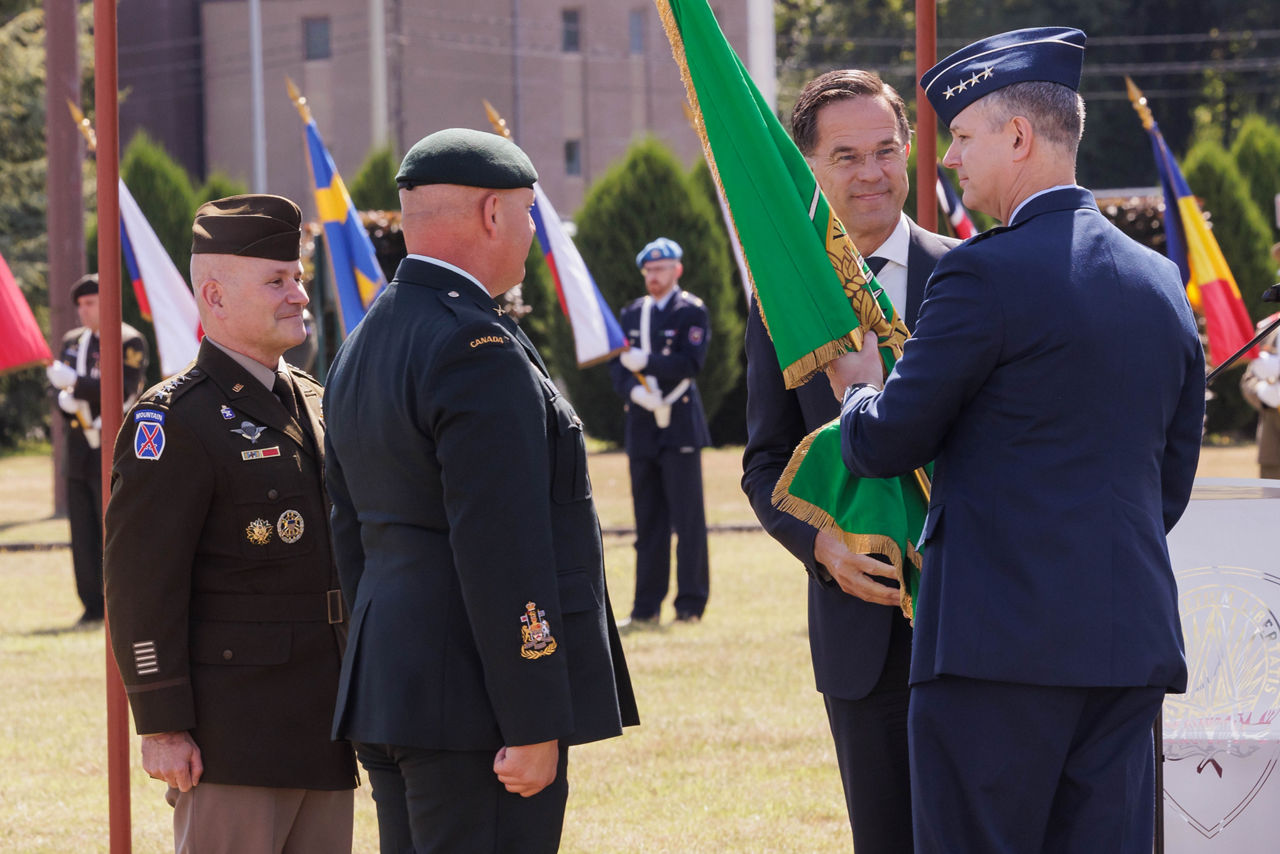
SACEUR is appointed by the US President, confirmed by the US Senate and approved by the North Atlantic Council, NATO’s highest political decision-making body.
There is no assigned term for SACEUR. It has ranged from one to eight years.
On 2 April 1951, the five-star general in the US Army who served during the Second World War, General Dwight D. Eisenhower, became the Alliance’s first SACEUR. This post, together with that of the Supreme Allied Commander Atlantic (SACLANT), was created before that of the Secretary General’s, which followed a year later in March 1952.
SACEUR had the responsibility of safeguarding the area extending from the northern tip of Norway to southern Europe, including the whole of the Mediterranean, and from the Atlantic coastline to the eastern border of Türkiye.
Following the overall process of reform in 2002, when the Supreme Allied Commander Atlantic (SACLANT) became the Supreme Allied Commander Transformation (SACT), the Supreme Allied Commander Europe did not change name but saw his responsibilities extended to cover all NATO operations, regardless of their geographical location.