Evolution of relations
Following the 1992-1995 war in Bosnia and Herzegovina, NATO played a key role in implementing the Dayton Peace Agreement through peacekeeping deployments over a nine-year period from December 1995 to December 2004. The NATO-led Implementation Force (IFOR) was deployed in December 1995 to implement the military aspects of the Dayton Peace Agreement and was replaced a year later by the NATO-led Stabilisation Force (SFOR). SFOR helped to maintain a secure environment and facilitate the country’s reconstruction in the wake of the war.
In December 2004, primary responsibility for military aspects of the Dayton Peace Agreement was handed over to the European Union (EU), which has been conducting EUFOR Operation Althea in Bosnia and Herzegovina ever since. NATO provides support to EUFOR Operation Althea under the Berlin Plus Agreements.
Bosnia and Herzegovina joined the Partnership for Peace (PfP) programme in 2006. It subsequently was invited to join the Membership Action Plan (MAP) in 2010, a NATO programme of advice, assistance and practical support tailored to the individual needs of countries wishing to join the Alliance. Participation in the MAP does not prejudge any decision on future membership. The country needs to continue pursuing democratic and defence reforms to fulfil its Euro-Atlantic aspirations.
To that end, under the MAP, Bosnia and Herzegovina presented its first Reform Programme in 2019. This annual programme outlines the reforms that the government intends to undertake and facilitates the provision of support by NATO toward these efforts. At the beginning of 2021, Bosnia and Herzegovina established the Commission for Cooperation with NATO to coordinate the implementation of the Reform Programme.
In light of Russia’s war of aggression against Ukraine and the changed security environment in Europe, NATO is increasing its support for partners, including Bosnia and Herzegovina, to help them build their capabilities and strengthen their resilience.
At the 2022 NATO Madrid Summit, in which the Defence Minister of Bosnia and Herzegovina participated, Allies agreed a set of additional political and practical measures to support the country in strengthening its resilience, including by developing a new Defence and Related Security Capacity Building (DCB) package.
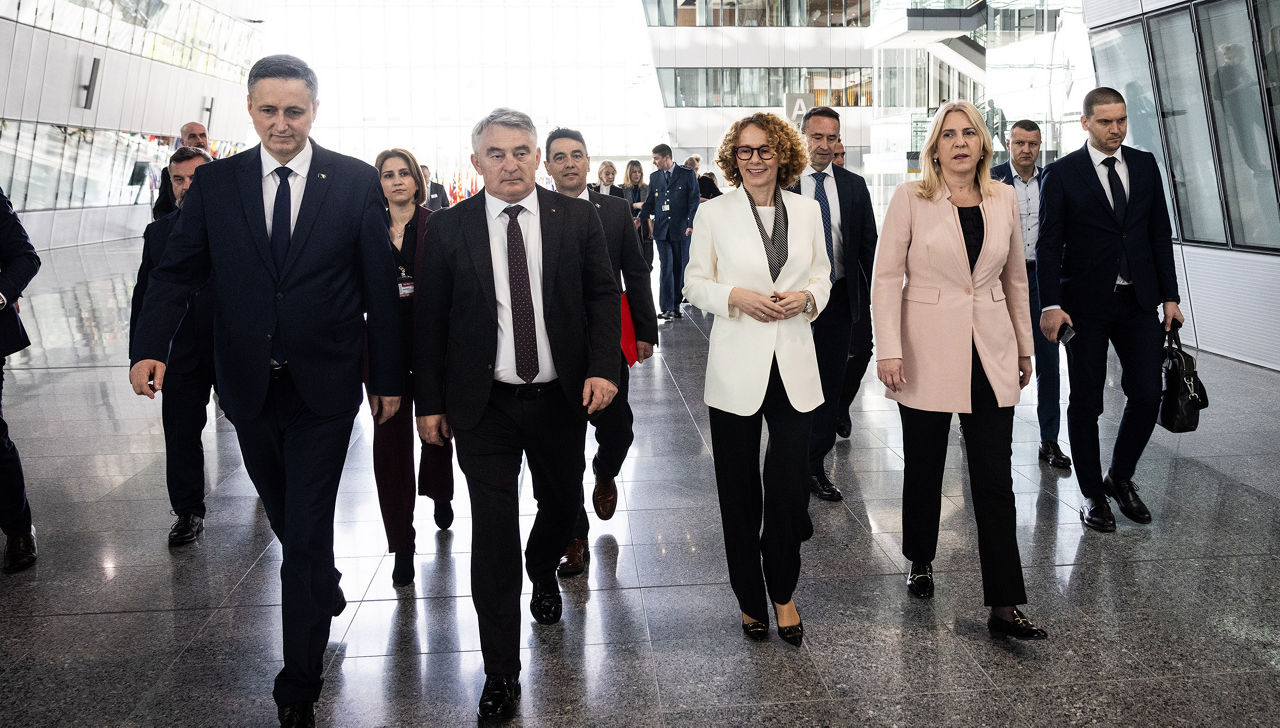
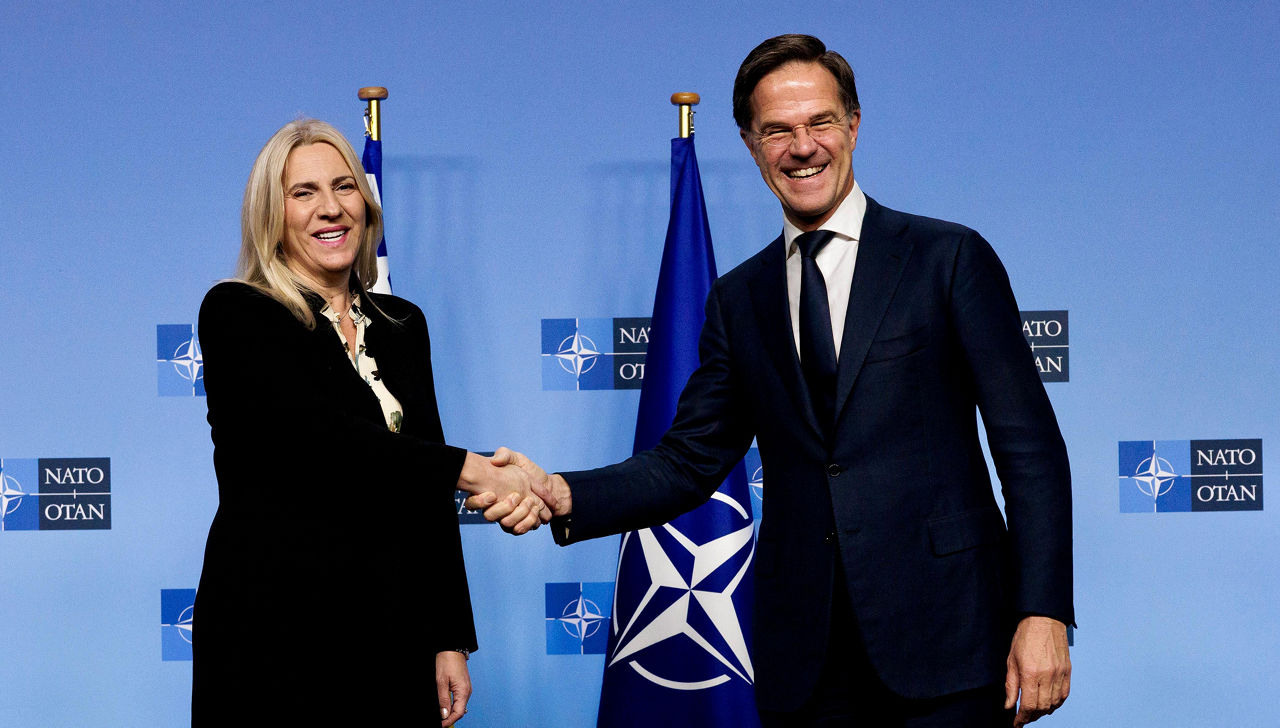
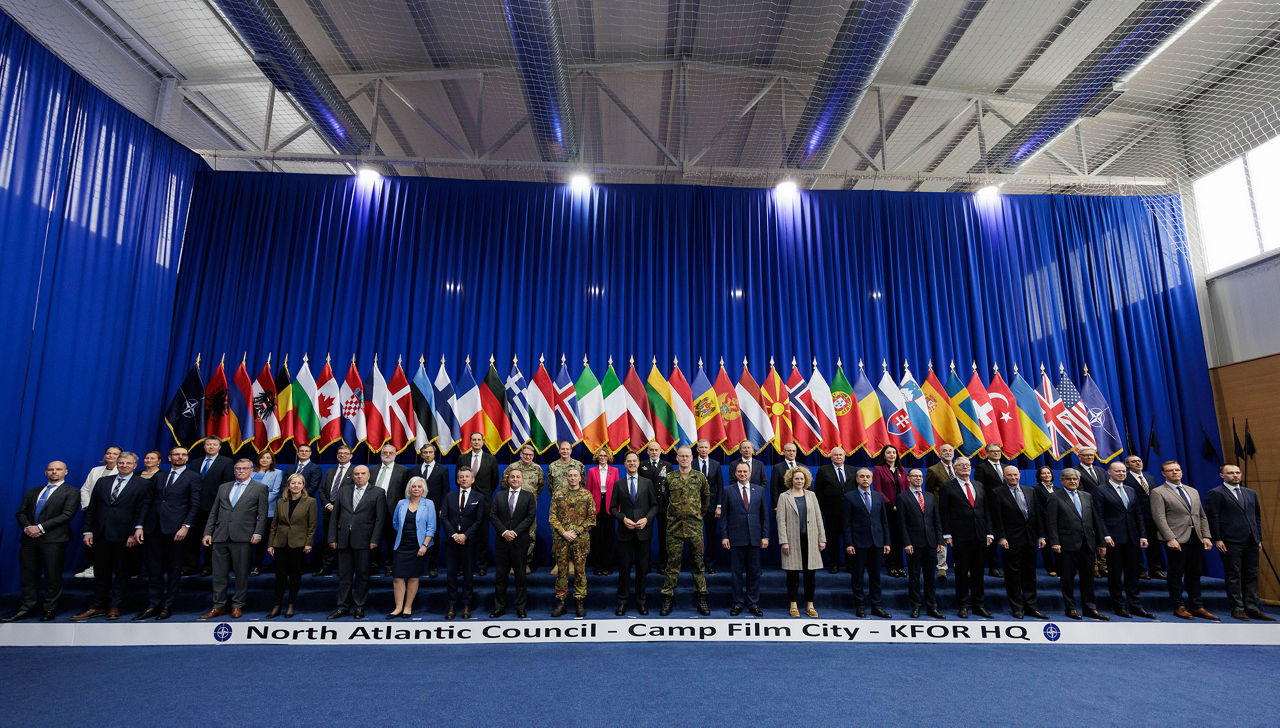
In October 2025, representatives from the Bosnia and Herzegovina Commission for Cooperation with NATO and NATO’s Partnership and Cooperative Security Committee met at NATO Headquarters in Brussels. During this meeting, NATO and Bosnia and Herzegovina jointly agreed the country’s first Individually Tailored Partnership Programme (ITPP), covering the period from 2025 to 2028.
Key areas of cooperation
Practical cooperation between NATO and Bosnia and Herzegovina is mutually beneficial and spans a wide range of partnership areas, including:
Building capabilities and interoperability
- NATO supports the development of security and defence capabilities in Bosnia and Herzegovina through the Defence and Related Security Capacity Building (DCB) Initiative. The 2023 DCB package for Bosnia and Herzegovina includes initiatives in areas such as crisis management, cyber defence, aero-medical evacuation and managing the consequences of incidents involving chemical, biological, radiological or nuclear (CBRN) substances.
- At the Madrid Summit in 2022, Allies agreed to develop new DCB packages for selected partners. Subsequently, NATO Defence Ministers endorsed a further DCB package for Bosnia and Herzegovina in February 2023. This package is a flagship project between NATO and Bosnia and Herzegovina, including 12 initiatives aimed at strengthening capabilities in areas such as crisis management, cyber defence and countering terrorism.
- Bosnia and Herzegovina is working to develop fully professional armed forces that are interoperable with NATO forces and are staffed by volunteers who meet high professional standards. To this end, the country has been participating in the Planning and Review Process (PARP) since May 2007. The role of the PARP is to provide a structured basis for identifying forces and capabilities that could be available to the Alliance for multinational training, exercises and peacekeeping and crisis management operations. It also serves as the principal mechanism used to guide and measure defence and military reform progress.
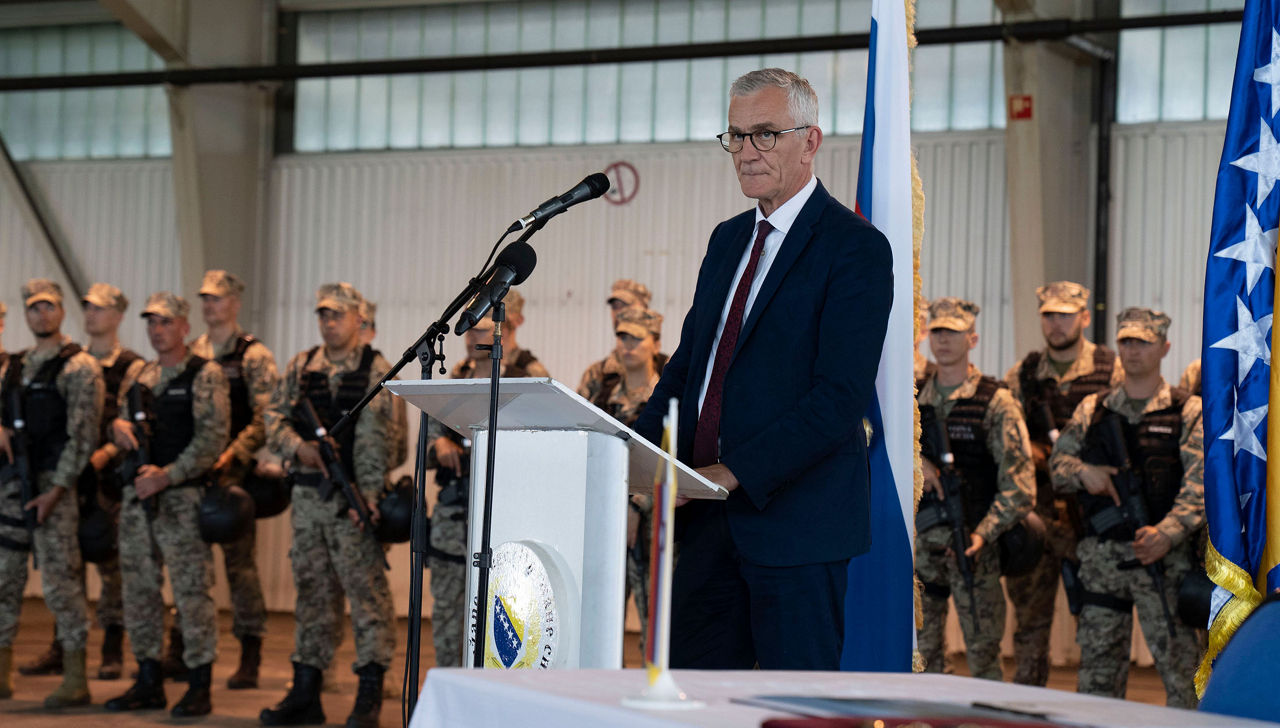
- In 2022, as part of the Operational Capabilities Concept Evaluation and Feedback (OCC E&F) programme, which is designed to assess the level of interoperability of partner units, Bosnia and Herzegovina successfully certified a light infantry battalion group to NATO combat readiness standards.
- Bosnia and Herzegovina has declared a number of forces and assets as potentially available for PfP activities, including engineering capabilities (explosive ordnance disposal) and related equipment.
- Since 2014, under the Partnership Interoperability Initiative, the country has participated in the Interoperability Platform, which brings Allies together with selected partners that are active contributors to NATO's operations.
- Bosnia and Herzegovina is an active participant in the tailored Building Integrity (BI) programme, which focuses on good governance and transparent and effective use of defence resources. The country's NATO-accredited Peace Support Operations Training Centre (PSOTC) offers expert training on building integrity and other topics to NATO and partner countries.
Support for NATO-led operations and missions
Wider cooperation
- In the framework of the Science for Peace and Security (SPS) Programme, leading areas for cooperation with Bosnia and Herzegovina include advanced technology, mine and unexploded ordnance detection and clearance, cyber defence, counter-terrorism, and energy and environmental security. One major ongoing activity involving Bosnia and Herzegovina is the enhancement of the Next-generation Incident Command System (NICS) - a web-based command and control software that facilitates collaboration across all levels of preparedness, planning, response and recovery during natural disasters and other incidents. In addition, scientists in Bosnia and Herzegovina have worked on the development of different technologies to deal with the threat of explosive hazards, including through virtual and augmented reality, enhanced detection systems and quantum-secure communications.
- Bosnia and Herzegovina is developing its national civil emergency and disaster management capabilities in consultation with the Allies, including developing the legal framework for coping with civil emergencies and working to establish a civil crisis information system to coordinate activities in the event of an emergency.
- In May 2014, the country requested assistance from NATO's Euro-Atlantic Disaster Response Coordination Centre (EADRCC) following devastating floods that hit the country. NATO coordinated emergency assistance from Allied and partner countries, sending helicopters, boats, drinking water, food, shelter and funds. In 2017, the country hosted the annual EADRCC disaster preparedness and response exercise that brought together Allies, partners and international organisations. The EADRCC is NATO’s principal civil emergency response mechanism in the Euro-Atlantic area and available to all NATO Allies and partner countries. The Centre functions as a clearing-house system for coordinating both requests for and offers of assistance mainly in case of natural and human-made disasters.
- Bosnia and Herzegovina and NATO aim to improve public access to information on the benefits of cooperation with NATO for all people living in the country, and on the country’s possible membership in the Alliance. To this end, a national NATO communications strategy is in place. Particular emphasis is placed on activities that entail sustainability and that link key stakeholders: government, civil society and media. Public diplomacy is considered a key area in need of dedicated effort and resources to inform the public and authorities in Bosnia and Herzegovina about NATO. There is a need to provide accurate information, counter information threats and highlight the benefits of reform efforts in Bosnia and Herzegovina. NATO Headquarters Sarajevo and the Political Engagement Support Cell provide resources on the ground and work with Allies and partners.
- Bosnia and Herzegovina was significantly affected by the COVID-19 pandemic. Demonstrating NATO’s continued support to the country, in October 2020, Allies approved a COVID-19 assistance package for the country, for the amount of EUR 500,000. This assistance package provided critical medical equipment, including pressure chambers, X-ray devices, non-contact infrared thermometers, masks, protective clothing and antigen tests. In 2021 and 2022, additional support was provided from NATO’s Pandemic Response Stockpile, which included ventilators and personal protective equipment. The projects were developed based on the country’s request for assistance to NATO's Euro-Atlantic Disaster Response Coordination Centre.