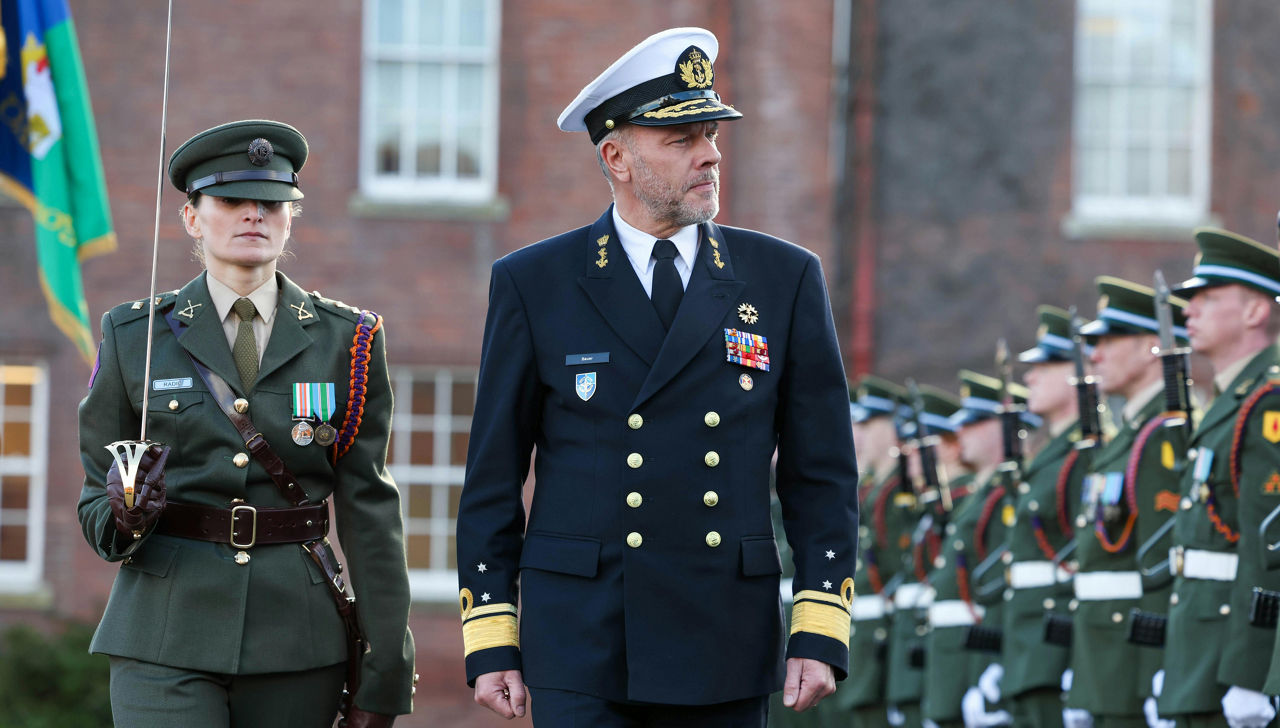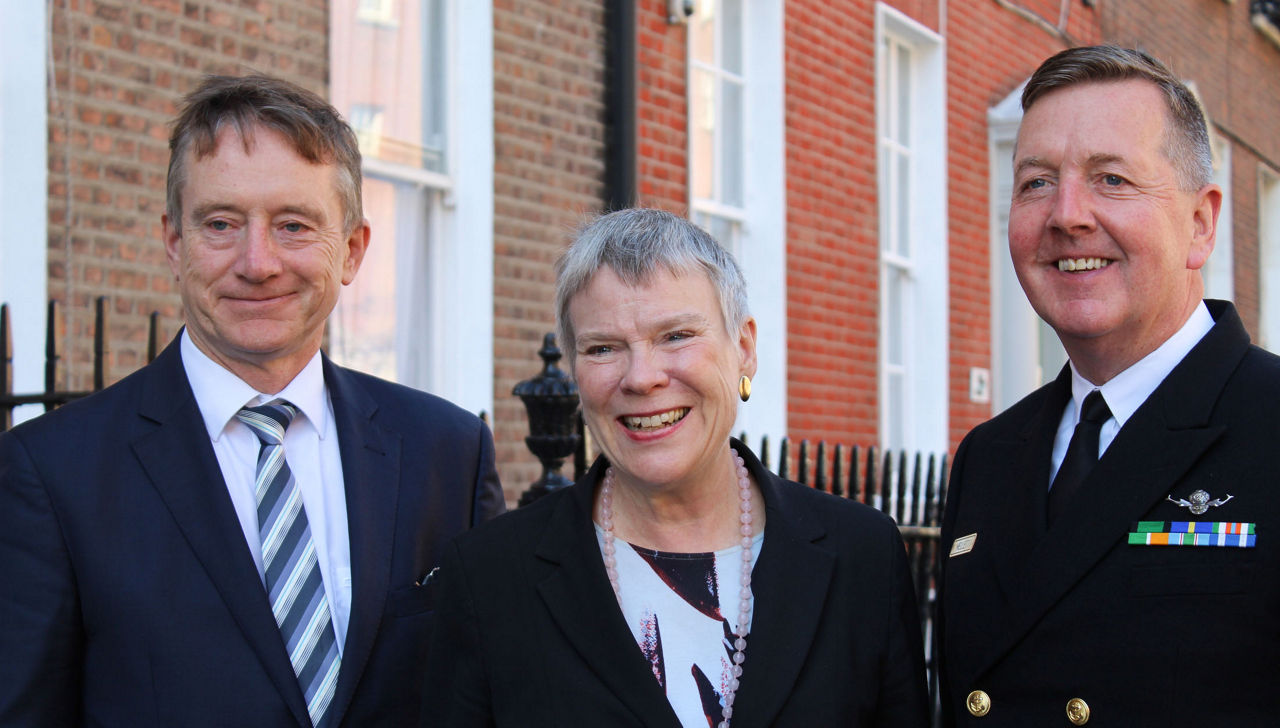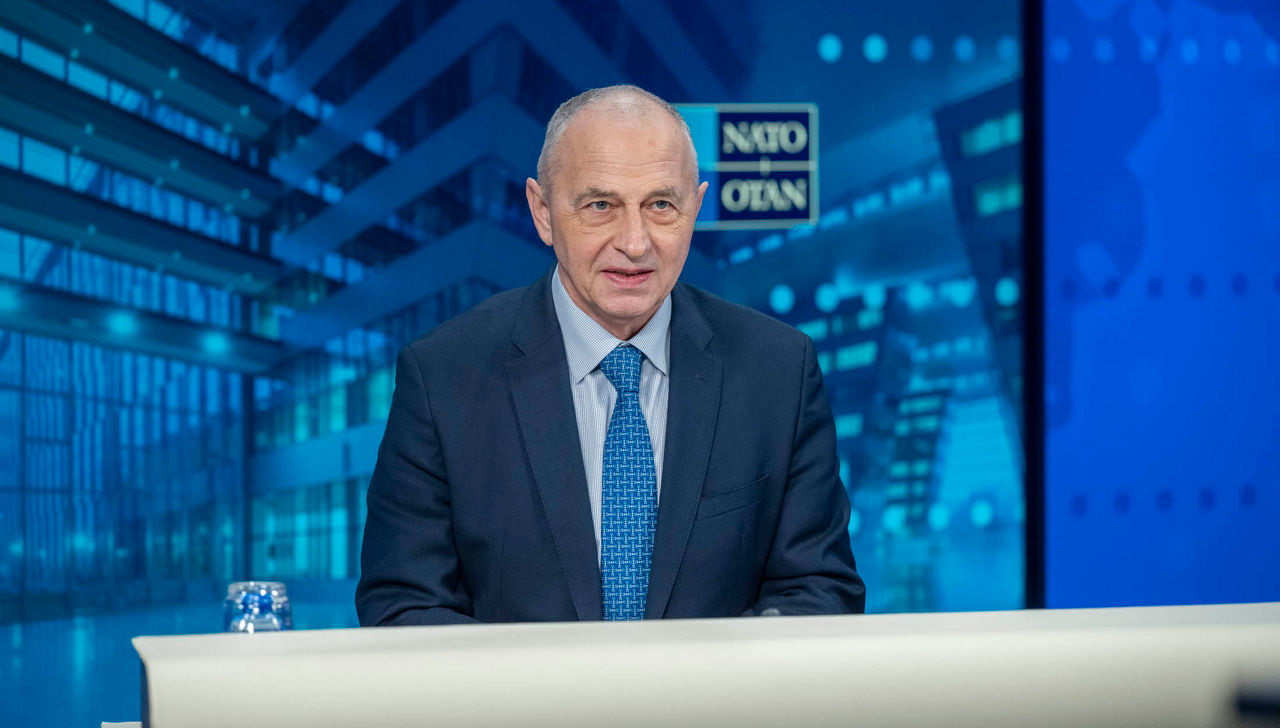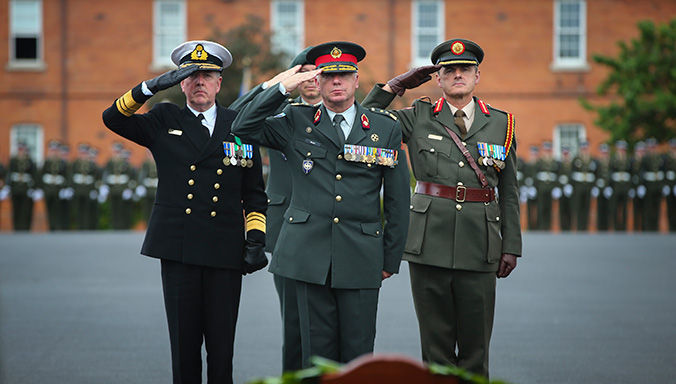
NATO highly values its relations with Ireland. The Allies view Ireland as an effective and pro-active partner and contributor to international security, which shares key values such as the promotion of international security, democracy and human rights. Irish cooperation with NATO is based on a longstanding policy of military neutrality. From this basis Ireland selects areas of cooperation with NATO that match joint objectives.
An important area of cooperation is Ireland’s support for NATO-led operations. Ireland is currently contributing to the peacekeeping operations in Kosovo and Afghanistan. In the past, it supported the NATO-led operation in Bosnia and Herzegovina.
Framework for cooperation
NATO and Ireland decide upon areas of cooperation and associated timelines in Ireland’s Individual Partnership Programme (IPP), which is jointly agreed for a two-year period. Key areas include security and peacekeeping cooperation and crisis management.
Participation in the PfP Planning and Review Process (PARP) is aimed at enhancing Ireland’s ability to take part in peace-support operations
Key areas of cooperation
Security cooperation
In 1997, Ireland deployed personnel in support of the NATO-led peacekeeping operation in Bosnia and Herzegovina. Many of their forces formed part of an international military police company, primarily operating in Sarajevo. Ireland began contributing to the NATO-led Kosovo peacekeeping force (KFOR) in 1999 and has provided a truck cargo support company and now an infantry company and staff officers. Ireland has also been providing staff officers and non-commissioned officers for the International Security Assistance Force (ISAF) in Afghanistan, since 2002.
The Irish Defence Forces have considerable peacekeeping experience. Based on this, Ireland participates in a variety of PfP framework areas such as generic planning for peacekeeping and peace support, communications, command and control, operational procedures, logistics and training. The Irish Defence Forces also operate a UN peacekeeping school, which offers courses identified in the overall list of activities that are open to all Allies and Partners.
Defence and security sector reform
Participating in peacekeeping operations and engaging in PfP activities has complemented Ireland’s own process of military transformation. Participation in the PfP Planning and Review Process (PARP) influences Irish planning and activities. Cooperation in this framework is aimed at enhancing Ireland’s ability to take part in peace-support operations. The Allies and other Partners also benefit from Irish expertise.
Ireland has contributed to NATO/PfP Trust Fund projects in other Partner countries. Along with individual Allies and Partners, Ireland has made contributions to voluntary funds for the destruction of mines in Montenegro and Serbia, the destruction of ammunition for small arms and light weapons in Albania, Montenegro, Serbia and Ukraine, and the removal of dangerous chemicals in Moldova.
Science and environment
Under the Science for Peace and Security (SPS) Programme, scientists from Ireland have participated in numerous advanced research workshops and seminars on a range of topics. Since 2005 Irish personnel have participated in over 20 activities. Topics have included science in the policy making process, suicide bombing, and security and culture.
Evolution of relations
Ireland has a longstanding security policy that remains in effect today: military neutrality. After an extensive public consultation process, Ireland joined the Partnership for Peace (PfP) in 1999. Ireland joined the PfP Planning and Review Process (PARP) in 2001 to foster interoperability of its forces in peacekeeping and humanitarian operations. Since joining PfP, Ireland has played an active role in the partnership and offers expertise to other Partners, in areas such as humanitarian operations and peacekeeping.
Key milestones
| 1997 | Ireland sends its first contingent of troops to support the NATO-led peacekeeping force in Bosnia and Herzegovina. |
|---|---|
| 1999 | Ireland joins the Partnership for Peace. |
| Irish forces participate in the NATO-led peacekeeping force in Kosovo. | |
| 2000 | Ireland submits its first Individual Partnership Programme. |
| 2001 | Ireland joins the PfP Planning and Review Process (PARP). |
| 2002 | Irish staff personnel are assigned to the International Security Assistance Force (ISAF) in Afghanistan. |