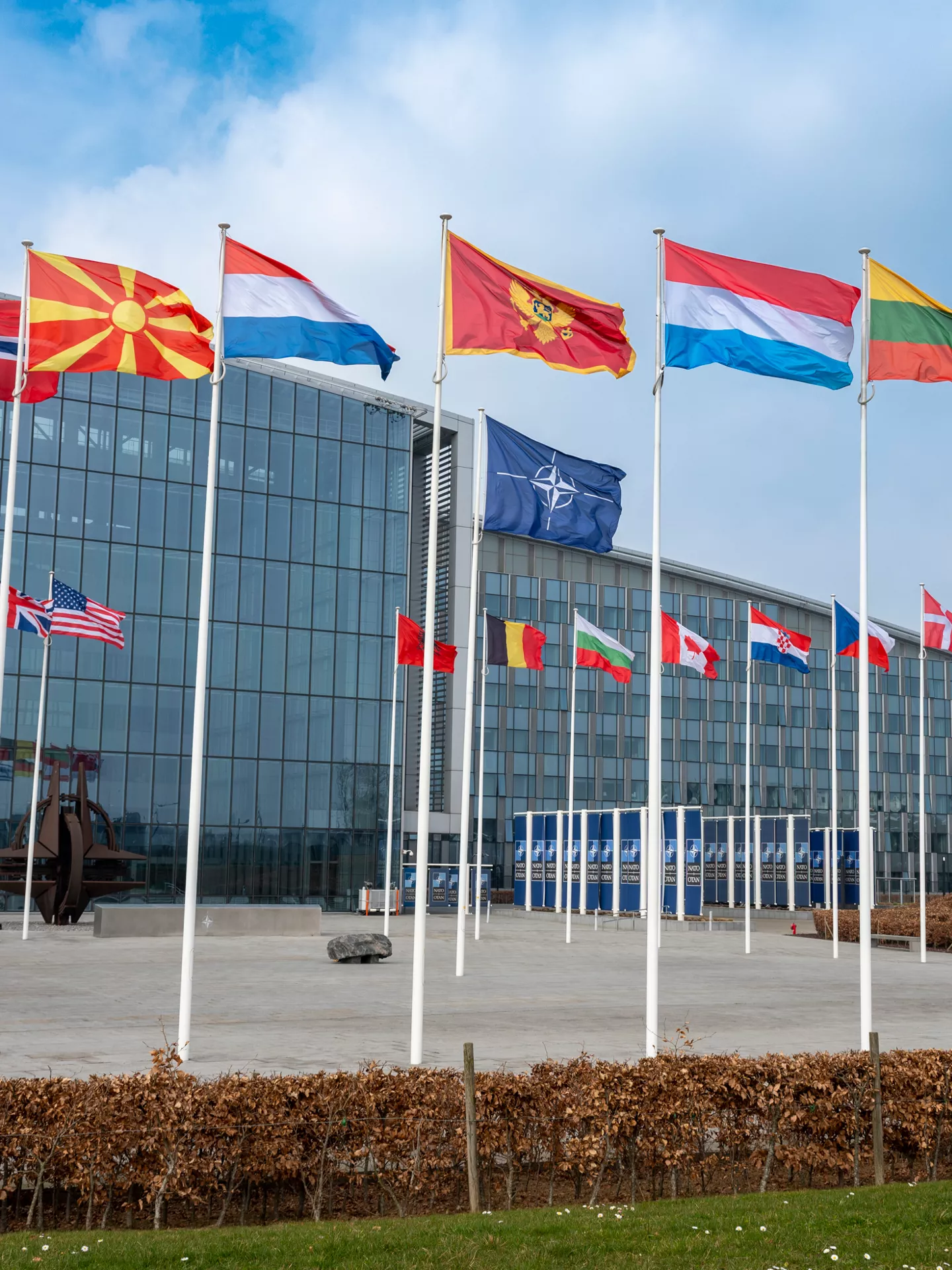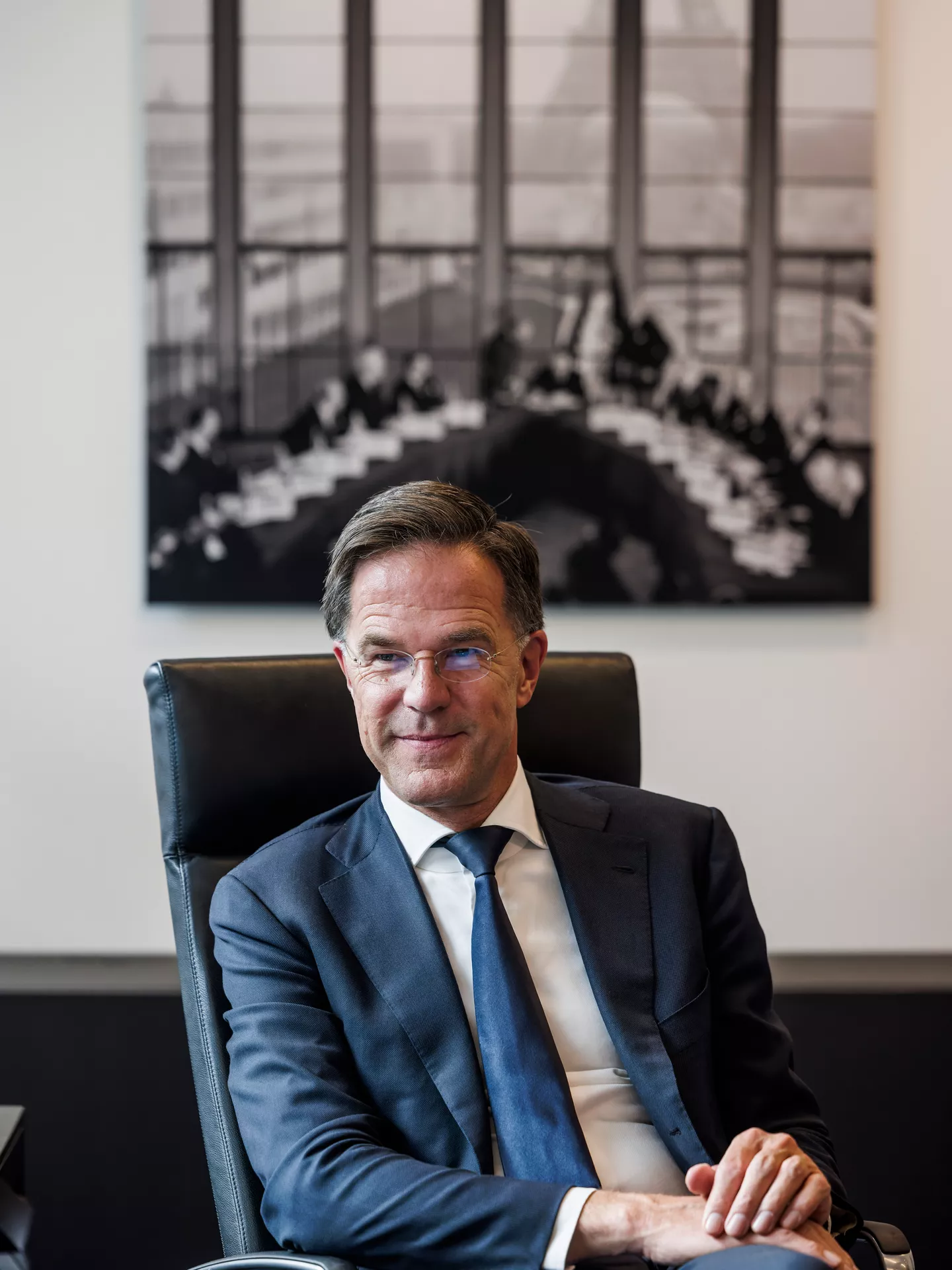
Secretary General Jens Stoltenberg welcomed European Commissioner Elżbieta Bieńkowska to NATO today (05 July 2017). The high-level representative of the European Union briefed the North Atlantic Council on the latest developments regarding the European Defence Action Plan and the European Defence Fund.
20 years of NATO-Ukraine partnership
04 Jul. 2017With Ukraine facing its greatest challenges since independence, James Greene, former head of the NATO Liaison Office in Ukraine, looks at how its partnership with NATO can help address its most pressing needs – preserving its sovereignty and modernising its state institutions.
The NATO-Ukraine Distinctive Partnership turns twenty: lessons to take forward
04 Jul. 2017James Greene, former head of the NATO Liaison Office in Ukraine, looks back across two decades of the NATO-Ukraine partnership and identifies four major lessons that are particularly relevant today, as Ukraine defends itself against Russia’s destabilising activities.
Hybrid influence – lessons from Finland
28 Jun. 2017Finland has a long history of being a small state living next to a huge and increasingly assertive neighbour, Russia. Two Finnish experts share some of the lessons Finland has learned in recent years.
NATO-Russia relations
13 Jun. 2017Radoslava Stefanova, Head of NATO’s Russia and Ukraine Relations Section, looks back with regret to the honeymoon days of NATO-Russia relations and asks what options remain in the aftermath of Russia’s illegal annexation of Crimea and continued aggression on Ukraine.
A personal take on NATO-Russia relations
13 Jun. 2017Fifteen years after the NATO-Russia Council was established, Radoslava Stefanova, Head of NATO’s Russia and Ukraine Relations Section, looks back in disappointment at how the high hopes for the NATO-Russia partnership have been dashed.
The Nuclear Weapons Ban Treaty: reasons for skepticism
19 May. 2017Current efforts to ban nuclear weapons will be ineffective and risk undermining the non-proliferation regime, which could have dangerous consequences – Michael Rühle of NATO’s Emerging Security Challenges Division explains.
Russian intelligence is at (political) war
12 May. 2017It would be a mistake to see the Russian security and intelligence services as analogues of those of the West. Mark Galeotti, a senior researcher at the Institute of International Relations Prague stresses that ''in terms of their missions, interactions and mindsets, they are on a wartime footing.''
Sharing the burden of keeping Europe whole, free and at peace
05 May. 2017Measuring fair burden-sharing is more complicated than it seems,” says Alexander Mattelaer of the Egmont Institute. He takes a closer look at this issue, which is a hot topic of debate in the run up to the meeting of Allied leaders on 25 May in Brussels.
The right stuff: two solid books about NATO
27 Apr. 2017Michael Rühle of NATO’s Emerging Security Challenges Division reviews two different but reliable accounts of NATO’s evolution over almost seven decades.
Spending for success on cyber defence
06 Apr. 2017Why is it so important to invest in cyber defence? What do nations need to spend on? Neil Robinson of NATO’s cyber defence policy team explains.
Ukraine three years on: a basis for optimism
10 Mar. 2017Three years after the appearance of ‘little green men’ – a prelude to Russia’s illegal annexation of Crimea and its so-called hybrid war in the Donbas – James Sherr of Chatham House looks at the issues at stake and the challenges ahead.
Women, Peace and Security: shifting from rhetoric to practice
08 Mar. 2017Christine Chinkin – Director of the Centre for Women, Peace and Security (WPS) at the London School of Economics – explains the links between gender equality and international peace and security.
The Identity of NATO
20 Jan. 2017The former Vice Chief of Staff at SHAPE, Lieutenant General Michel Yakovleff, reflects on the fundamental nature of the Alliance.
Will the populist wave wash away NATO and the European Union?
06 Jan. 2017The rise of anti-establishment populism across the West challenges the premises of the post-1945 values-based liberal international order and also poses real security threats to Europe.
Rethinking the way we do anti-corruption
08 Dec. 2016In the past five years, an EU-funded project set out to assess the success of anti-corruption efforts. Generally speaking, the news is not good. Most simple tools promoted by international anti-corruption efforts do not seem to work.
What can we learn today from the ‘three wise men’?
05 Dec. 2016In the turbulent world of 2016, many of the fundamentals of transatlantic cooperation and western liberalism are being questioned. Learn why the recommendations of NATO’s ‘three wise men’ aimed at strengthening unity within the Alliance are still relevant today, 60 years later.
The Gulf monarchies' complex fight against Daesh
28 Sep. 2016Learn more about how the Gulf monarchies and Jordan are supporting the fight against so-called Islamic State on three fronts: military, financial and cultural.
Cyber resilience: protecting NATO’s nervous system
12 Aug. 2016Without the right information, at the right time, in the right place, the ability of NATO commanders to take a decision is compromised. Information technology provides the glue for command and control capability.
On Deterrence
05 Aug. 2016Deterrence is back. After the end of the Cold War, the Alliance focused less on territorial defence and more on out-of-area crisis management, first in the western Balkans and later also in Afghanistan. That changed in 2014 because of concerns about Russia’s aggressive actions towards Ukraine as well as the rise of so-called Islamic State (or Daesh) in Syria and Iraq.
The principle of collective defence is at the very heart of NATO’s founding treaty. It remains a unique and enduring principle that binds its members together, committing them to protect each other and setting a spirit of solidarity within the Alliance.
NATO constantly reviews and transforms its policies, capabilities and structures to ensure that it can continue to address current and future challenges to the freedom and security of its members. Presently, Allied forces are required to carry out a wide range of missions across several continents; the Alliance needs to ensure that its armed forces remain modern, deployable, and capable of sustained operations.
Many of the challenges NATO faces require cooperation with other stakeholders in the international community. Over the past 25 years, the Alliance has developed a network of regional partnership frameworks with 41 partner countries from the Euro-Atlantic area, the Mediterranean and the Gulf region, as well as individual relationships with other partners across the globe. NATO pursues dialogue and practical cooperation with these nations on a wide range of political and security-related issues. NATO’s partnerships are beneficial to all involved and contribute to improved security for the broader international community.
NATO is an active and leading contributor to peace and security on the international stage. It promotes democratic values and is committed to the peaceful resolution of disputes. However, if diplomatic efforts fail, it has the military capacity needed to undertake crisis-management operations, alone or in cooperation with other countries and international organisations.