Close
Back


From now on you can download videos from our website
If you would also like to subscribe to the newsletter and receive our latest updates, click on the button below.
Enter the email address you registered with and we will send you a code to reset your password.
The password must be at least 12 characters long, no spaces, include upper/lowercase letters, numbers and symbols.
Click the button to return to the page you were on and log in with your new password.
Updated: 04 October 2023
The proliferation of small arms and light weapons (SALW) affects security while anti-personnel mines and explosive remnants of war kill and maim both people and livestock long after the end of hostilities. Both can have destabilising effects on social, societal and economic development and can represent major challenges to regional and national security.
The illicit proliferation of SALW can fuel and prolong armed violence and support illegal activities and the emergence of violent groups. Access to illicit SALW contributes to the development of terrorism, organised crime, human trafficking, gender violence and piracy; and the diversion of weapons is closely linked to corruption and poor management practices. Small arms are weapons intended for use by an individual. They include pistols, rifles, submachine guns, assault rifles and light machine guns; light weapons are designed for use by two or more persons serving as a crew and include heavy machine guns, grenade launchers, mortars, anti-aircraft guns and anti-tank guns, all less than 100 mm in calibre.
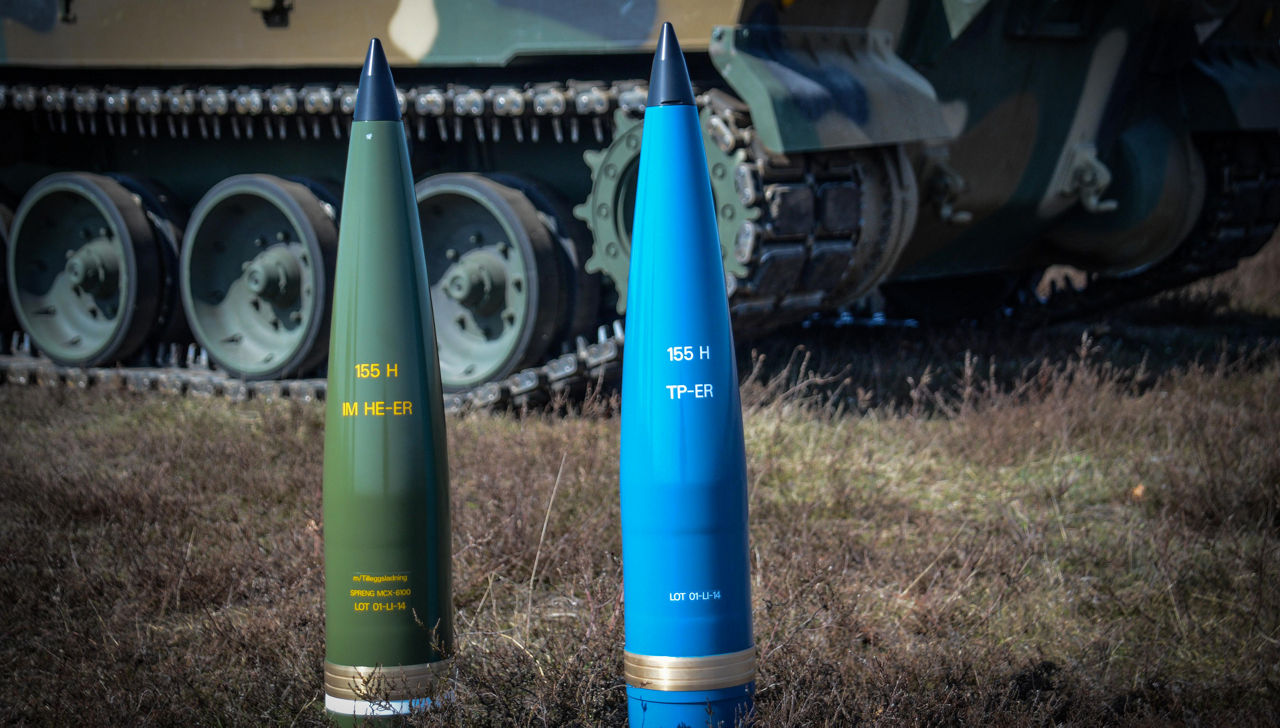
Anti-personnel mines and explosive remnants of war kill and maim both people and livestock long after the cessation of hostilities and are a major barrier to post-conflict recovery and development. Beyond the human tragedy they can cause, they also overload local and national health services, reduce the available workforce and disrupt the social and societal structures. In many countries, stockpiles of weapons and ammunition are not always properly managed, allowing illicit access or accidents that may affect security personnel and nearby populations.
NATO is helping to address these issues by encouraging dialogue and cooperation among Allies and partners to seek effective solutions. It has two very effective mechanisms: the Ad Hoc Working Group on SALW and Mine Action (AHWG SALW/MA) and the NATO/Partnership Trust Fund mechanism. NATO also supports initiatives led by other international bodies, such as the United Nations (UN) Programme of Action to Prevent, Combat, and Eradicate the Illicit Trade in SALW in All Its Aspects (commonly known as the PoA) as well as the UN Arms Trade Treaty (ATT). In the area of anti-personnel mines, the Alliance and its partners also assist signatories of the “Convention on the Prohibition of the Use, Stockpiling, Production and Transfer of Anti-Personnel Mines and Their Destruction” (Ottawa Convention). Allies who are not party to this Convention facilitate efforts in the general realm of what is commonly called mine action, which includes: clearance of mine fields, providing victim assistance, raising mine risk awareness through education, and assistance in destroying mine stockpiles.
In 1999, the Euro-Atlantic Partnership Council (EAPC), which groups Allies and partner countries, established the AHWG on SALW. Originally, this Working Group focused only on issues related to the impact of the proliferation of SALW on Alliance’s peacekeeping operations.
In April 2004, the Working Group’s mandate was broadened to include mine action issues (therefore becoming the AHWG SALW/MA). It is one of the few forums in the world that meets on a regular basis to address these specific issues. The objective of the Working Group is to contribute to international efforts to reduce the threats caused by the illicit trade of SALW and the impact of mines and other unexploded ordnance.
The Working Group organises itself around an annual work programme. In practice, it uses a four-pronged approach to accomplish its work by:
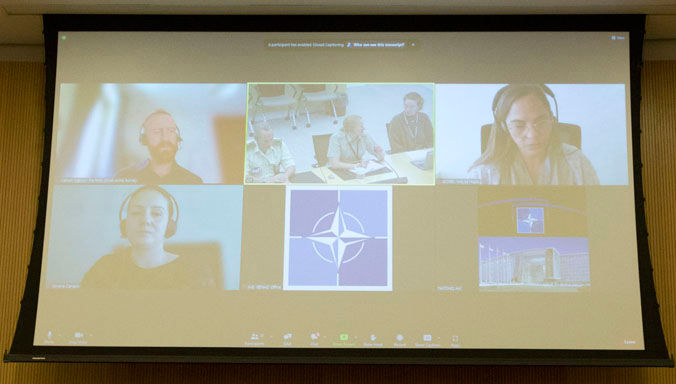
NATO's International Staff (IS) functions as the Working Group’s executive agent and implements the annual work programmes of the AHWG SALW/MA and organises its quarterly meetings.
NATO conducts an annual course related to SALW and mine action that is usually held at the NATO School in Oberammergau, Germany. The “SALW and Mine Action Course”, aimed at mid-level management personnel, provides students with an overview of the most significant political, practical and regulatory issues needed to deal with SALW and their ammunition and their life-cycle management, as well as mine action from a national, regional and global perspective. It includes cross-cutting issues, such as capacity-building, defence education, gender mainstreaming and good governance that affect the various facets of issues related to the risks and challenges caused by SALW and mine action. The course is open to military and civilian personnel from all NATO partner countries, as well as to relevant international organisations.
The UN Programme of Action to Prevent, Combat and Eradicate the Illicit Trade in Small Arms and Light Weapons in All its Aspects (known as the PoA) was adopted in July 2001 by nearly 150 countries, including all NATO member countries. It consists of measures at the national, regional and global levels, in the areas of legislation, destruction of weapons that were confiscated, seized or collected, as well as international cooperation and assistance to strengthen the ability of states in identifying and tracing illicit arms and light weapons. The AHWG SALW/MA supports the implementation of the PoA and related international instruments through its activities and will continue to support major global events of this nature.
On 1 August 2010, the Convention on Cluster Munitions (CCM) entered into force and became a legally binding instrument. The CCM prohibits, for its signatories, all use, stockpiling, production and transfer of cluster munitions. Separate articles in the Convention concern assistance to victims, clearance of contaminated areas and the destruction of stockpiles. The AHWG SALW/MA provides an additional forum for the discussion and facilitation of its implementation.
The landmark Arms Trade Treaty (ATT), regulating international trade in conventional arms, from small arms to battle tanks, combat aircraft and warships, entered into force on 24 December 2014. The treaty aims to foster peace and security by interrupting the destabilising flow of arms to conflict regions. NATO supports the implementation of the ATT in particular through the activities of the AHWG SALW/MA and constitutes an additional forum for discussion and information-sharing on the issue.
The end of the Cold War left a dangerous legacy of ageing arms, ammunition, anti-personnel mines, missiles, rocket fuel, chemicals and unexploded ordnance. In 1999, NATO established the NATO Partnership for Peace (PfP) Trust Fund mechanism to assist partners with these problems. The NATO PfP Trust Fund Policy was established in September 2000 in order to assist partners in meeting the Ottawa Convention obligations. The policy expanded to include disposal of conventional ammunition, small arms, defence reform, training and building integrity. Since then, Trust Fund projects have produced tangible results and, as such, represent the operational dimension of the Working Group's efforts.
Trust Fund projects focus on the destruction of SALW, ammunition and mines, improving their physical security and stockpile management, and also address the consequences of defence reform. Allies and partners fund and execute these projects through NSPA as the main executive agent. Each project can have a lead nation(s), which oversees the development of project proposals along with the NATO International Staff and the executive agent. This ensures a mechanism with a competitive bidding process, transparency in how funds are expended and verifiable project oversight, particularly for projects involving the destruction of munitions.
Trust Funds may be initiated by a NATO member or partner country to tackle specific, practical issues linked to the demilitarization process of a country or to the introduction of defence reform projects. They are funded by voluntary contributions from individual NATO Allies, partner countries, and more recently NGOs. They are often implemented in cooperation with other international organisations and NGOs.
So far, Allies and partners, through the Trust Fund projects, have destroyed or cleared:
In addition, over 12,000 former military personnel have received retraining assistance through defence reform Trust Fund projects.
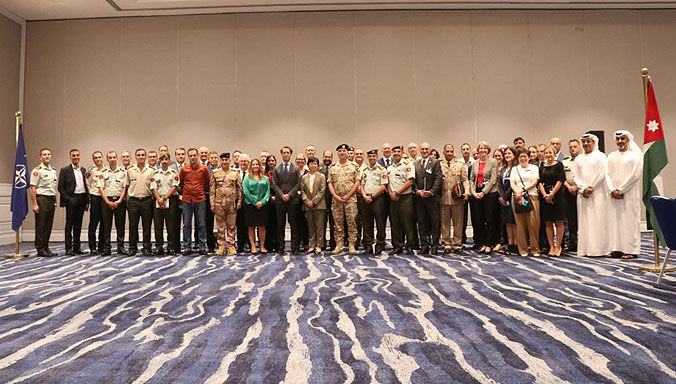
The Trust Fund mechanism is open to countries where NATO is leading a crisis management operation and to countries participating in NATO’s PfP programme, the Mediterranean Dialogue, the Istanbul Cooperation Initiative, and to partners from across the globe. For instance, in 2021, NATO launched a project on ammunition stockpile management and ammunition destruction in the framework of the Defence and Related Security Capacity Building Package for Jordan.
Once the project proposal is agreed by NATO’s International Staff and the partner country concerned, it is presented to the Partnerships and Cooperative Security Committee (PCSC), which is the formal forum to discuss projects and attract volunteer donor support and resources. The Luxembourg-based NSPA has been selected by lead nations of most Trust Fund projects to be the executing agent, particularly for demilitarization projects. It plays a key role in the development and implementation of Trust Fund projects and offers technical advice and a range of management services.