Close
Back


From now on you can download videos from our website
If you would also like to subscribe to the newsletter and receive our latest updates, click on the button below.
Enter the email address you registered with and we will send you a code to reset your password.
The password must be at least 12 characters long, no spaces, include upper/lowercase letters, numbers and symbols.
Click the button to return to the page you were on and log in with your new password.
Updated: 17 January 2023
The Conference of National Armaments Directors (CNAD) is the senior NATO committee responsible for promoting cooperation between countries in the armaments field. By enabling multinational cooperation, it plays an essential role in ensuring that NATO forces have cutting-edge, interoperable equipment available at all times.

Polish soldiers engage in a sequence of tests with their short-range air defence anti-aircraft missile and artillery system during exercise Ramstein Legacy 22.
The mission of the CNAD is to enable multinational cooperation on the delivery of interoperable military capabilities to improve NATO forces’ effectiveness over the whole spectrum of current and future operations.
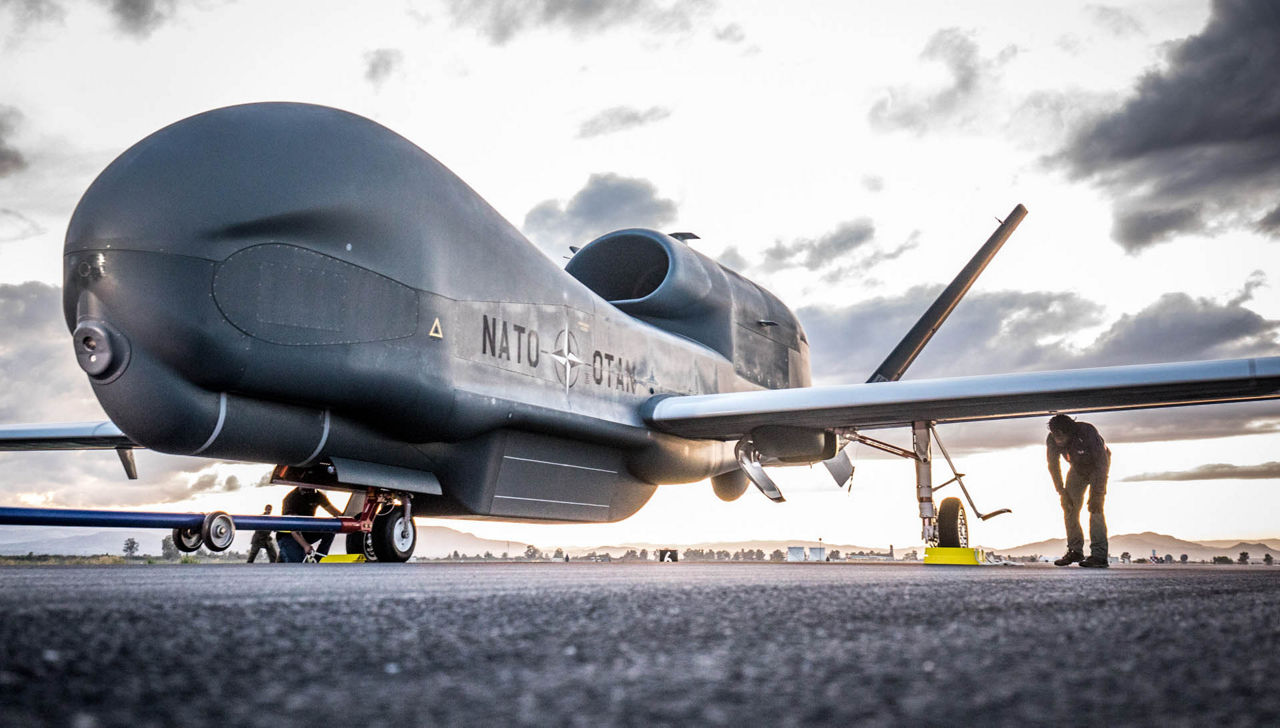
The CNAD reports directly to the North Atlantic Council – NATO’s principal political decision-making body. It is tasked with identifying collaborative opportunities for research, development and production of military equipment and weapons systems. It is responsible for a number of cooperative armaments projects that aim to equip NATO forces with cutting-edge capabilities, for example in the fields of Joint Intelligence, Surveillance and Reconnaissance (JISR) and ballistic missile defence.
The CNAD also plays a key role in the promotion of essential battlefield interoperability and in the harmonisation of military requirements on an Alliance-wide basis. The CNAD identifies and pursues collaborative opportunities and promotes transatlantic defence industrial cooperation.
The CNAD and its substructures meet in Allied format, with a significant number of groups also open to partners.
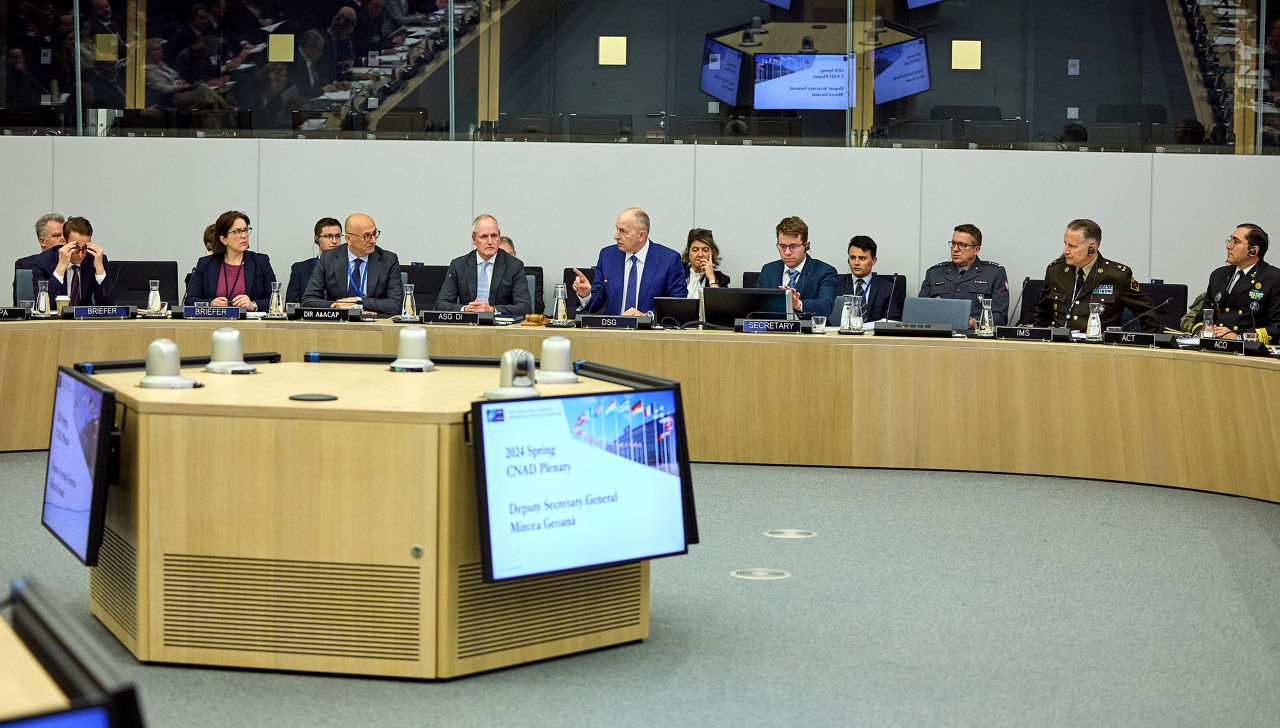
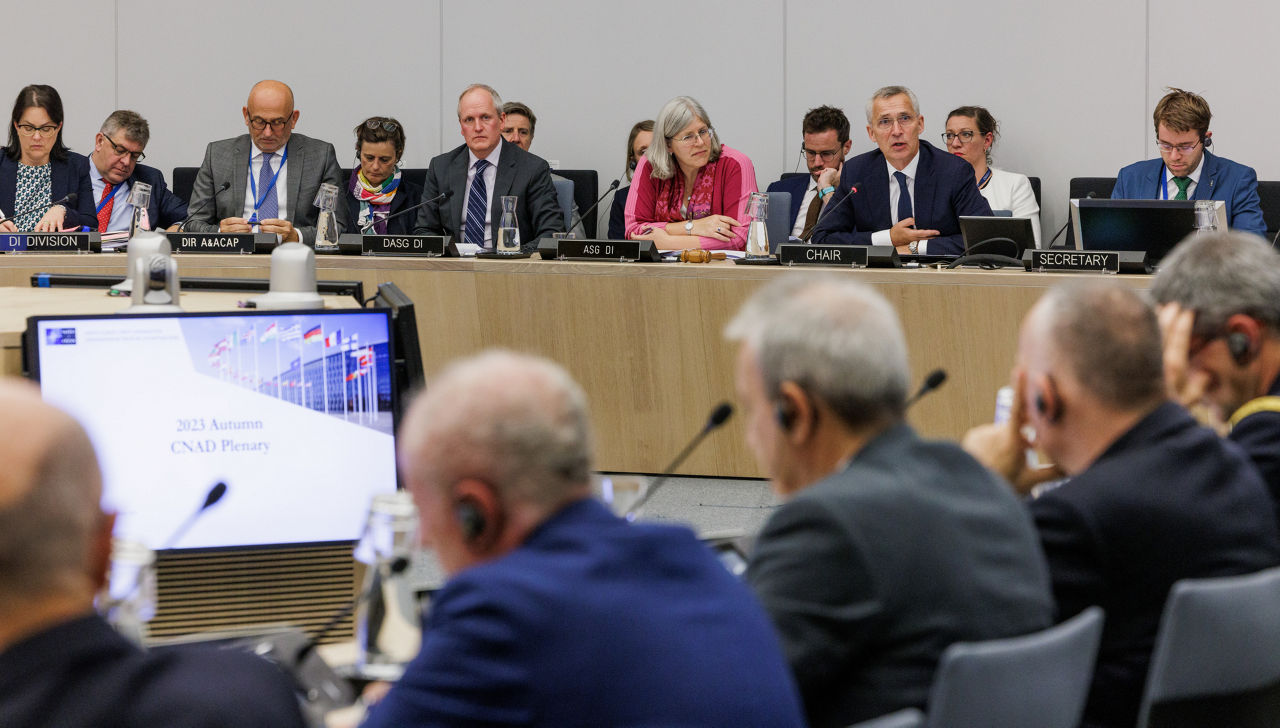
The CNAD meets twice a year at the level of National Armaments Directors (NADs), with the NATO Secretary General serving as Chair. During these biannual meetings, the CNAD sets the direction of the Conference’s work and oversees that of the CNAD subordinate structures.
Regular meetings at the level of the in-house Representatives of the National Armaments Directors (NADREPs) ensure the day-to-day implementation of the CNAD’s objectives.
The work of the CNAD is prepared and supported by its subordinate committees.
The Army, Air Force and Naval Main Armaments Groups (MAGs) and their respective subgroups support the work of the Conference and are responsible to it for all activities in their respective fields.
The Lifecycle Management Group (LCMG), the CNAD Ammunition Safety Group (CASG) and the Group of National Directors on Codification (GNDC) are also sub-structures of the CNAD and contribute their expertise to support the standardization and interoperability of Alliance capabilities.
Assistance on industrial matters is provided by the NATO Industrial Advisory Group (NIAG), enabling the CNAD to benefit from industry’s advice on how to enhance the NATO-industry relationship. The NIAG also assists the Conference in exploring opportunities for international collaboration. Other groups under the CNAD are active in fields such as ammunition safety, system life cycle management and codification.
The CNAD provides member countries, and in some cases partners, with opportunities to cooperate on equipment and research projects. At the same time, it facilitates the exchange of information on national programmes to the benefit of individual countries and to NATO as a whole.
The CNAD was established in 1966 to provide a flexible and open framework for armaments cooperation within the Alliance. Over the decades, the CNAD has continued to adapt to the evolving security environment, facilitating dialogue among diverse countries and fostering multinational cooperation in capability development, acquisition and delivery.